Parkinson’s Disease Awareness Presentation Template
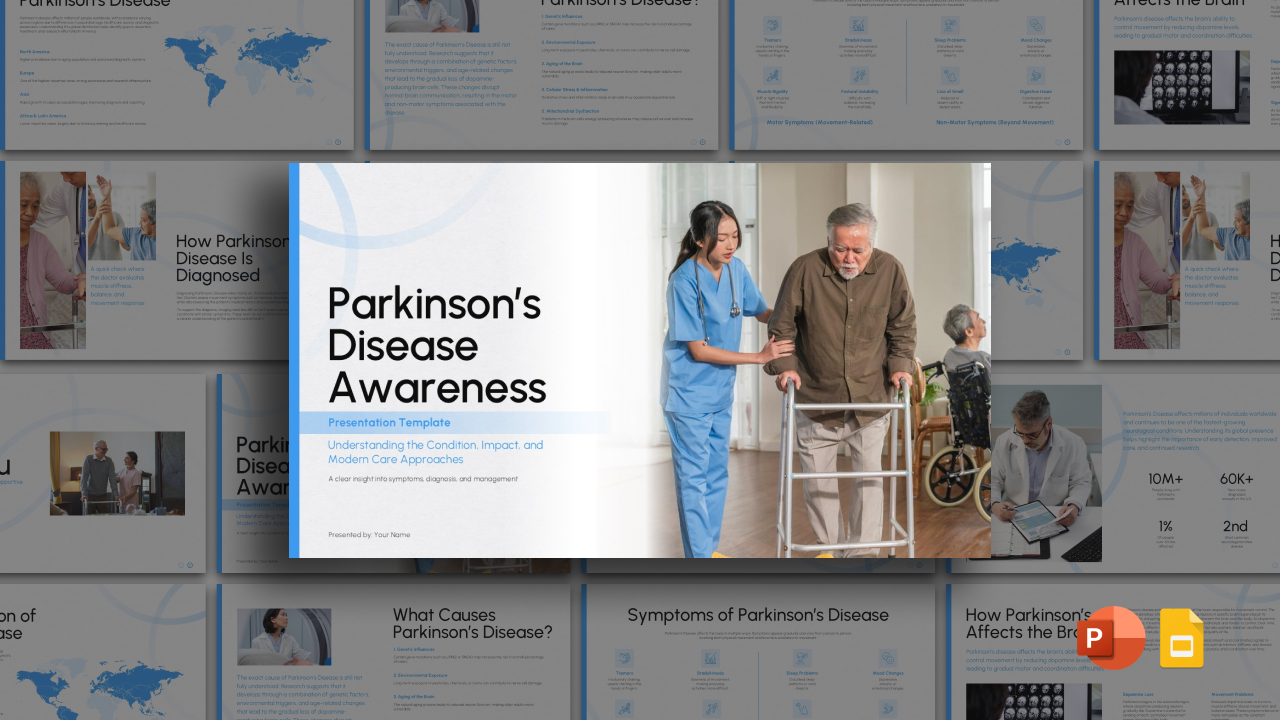

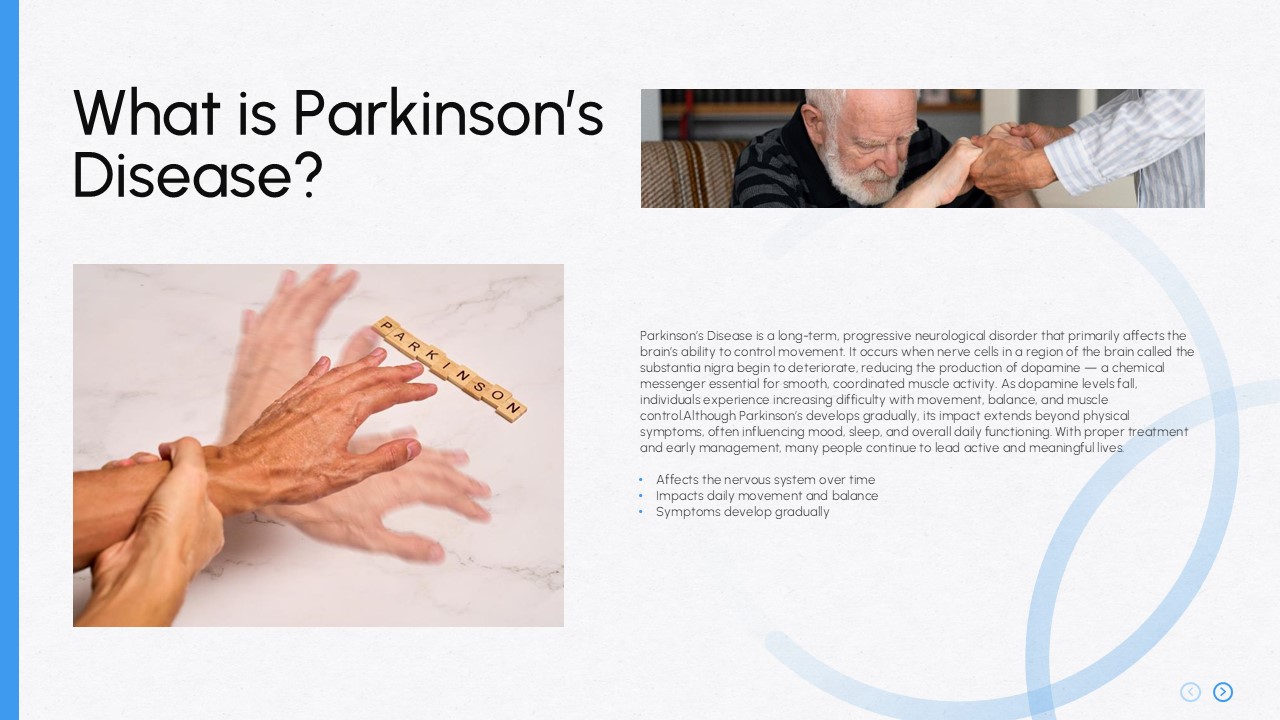
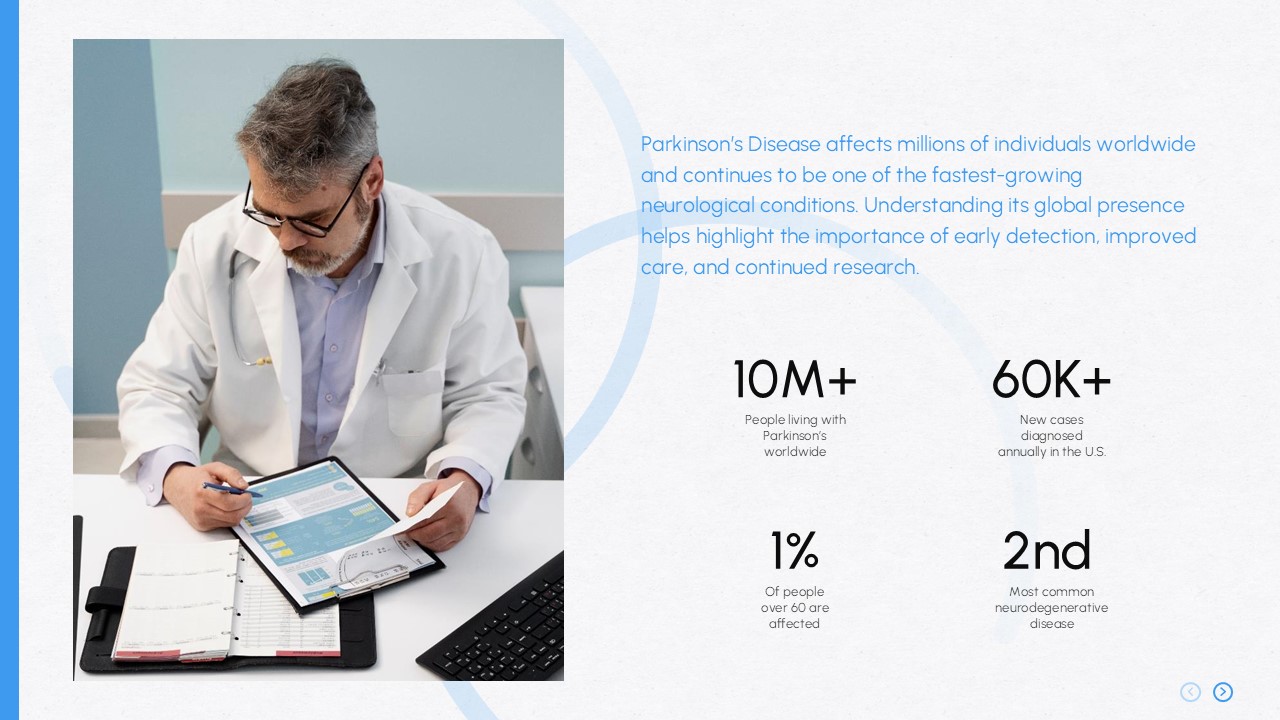
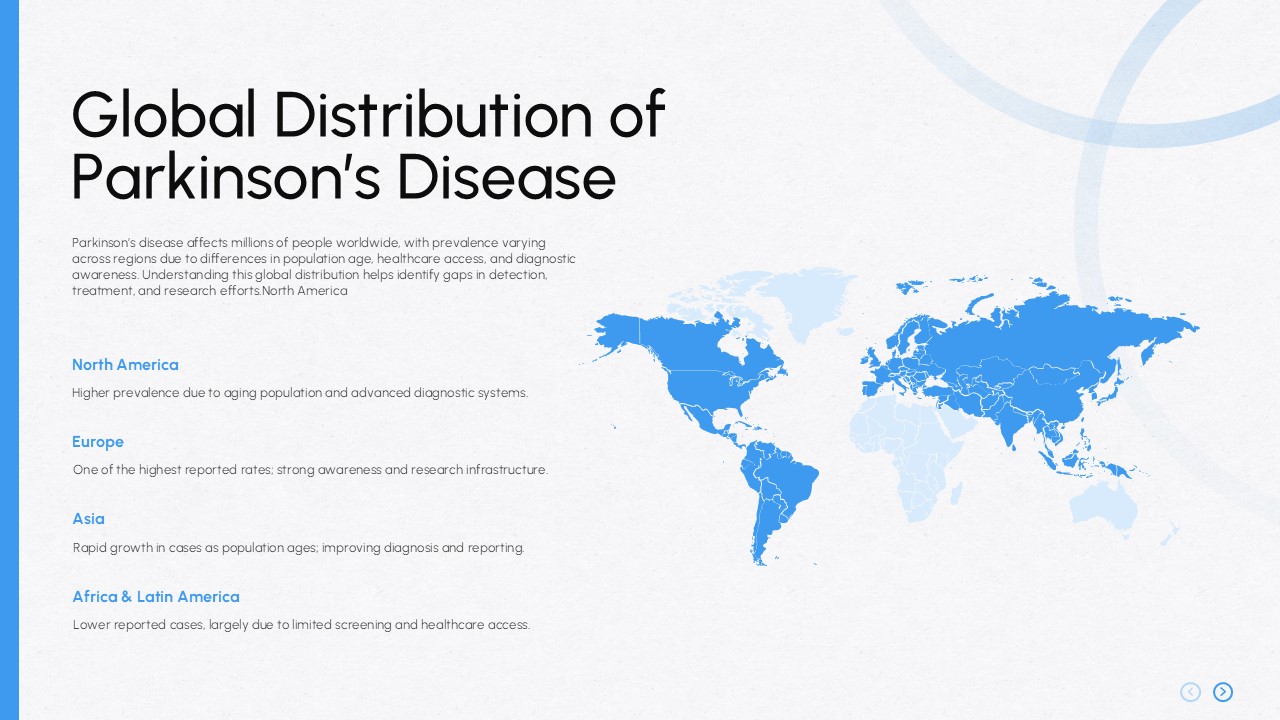
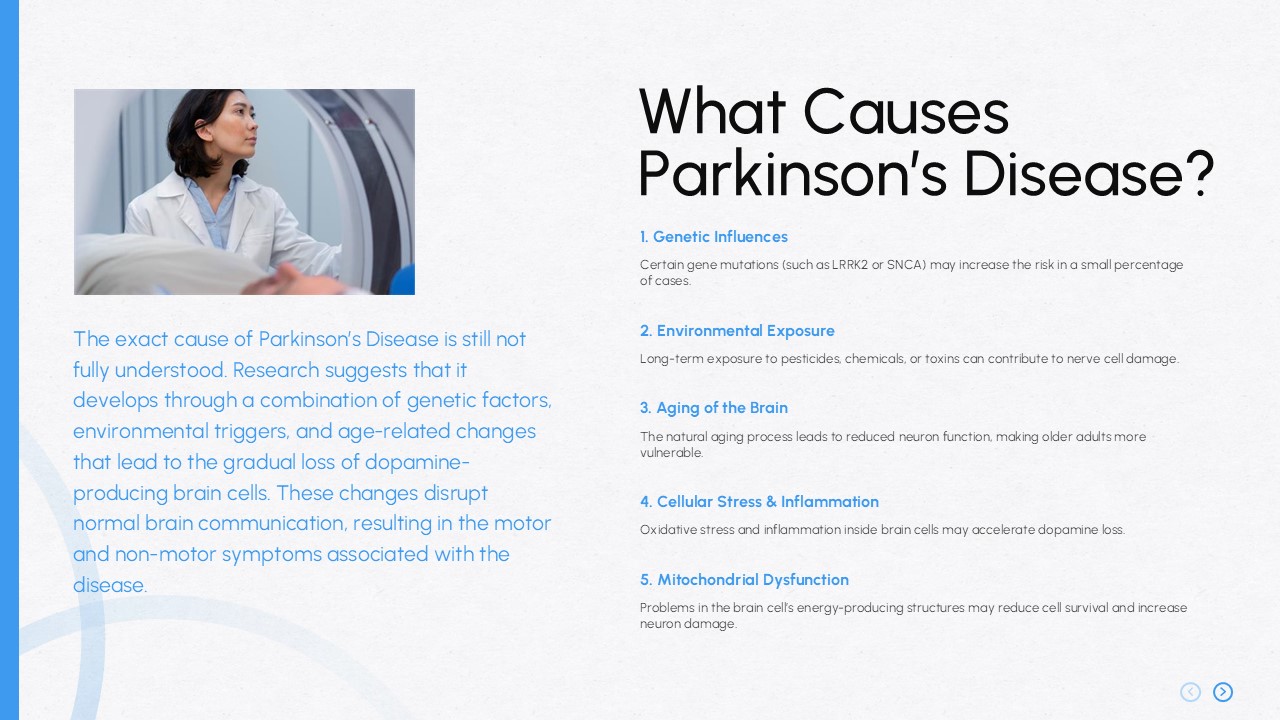
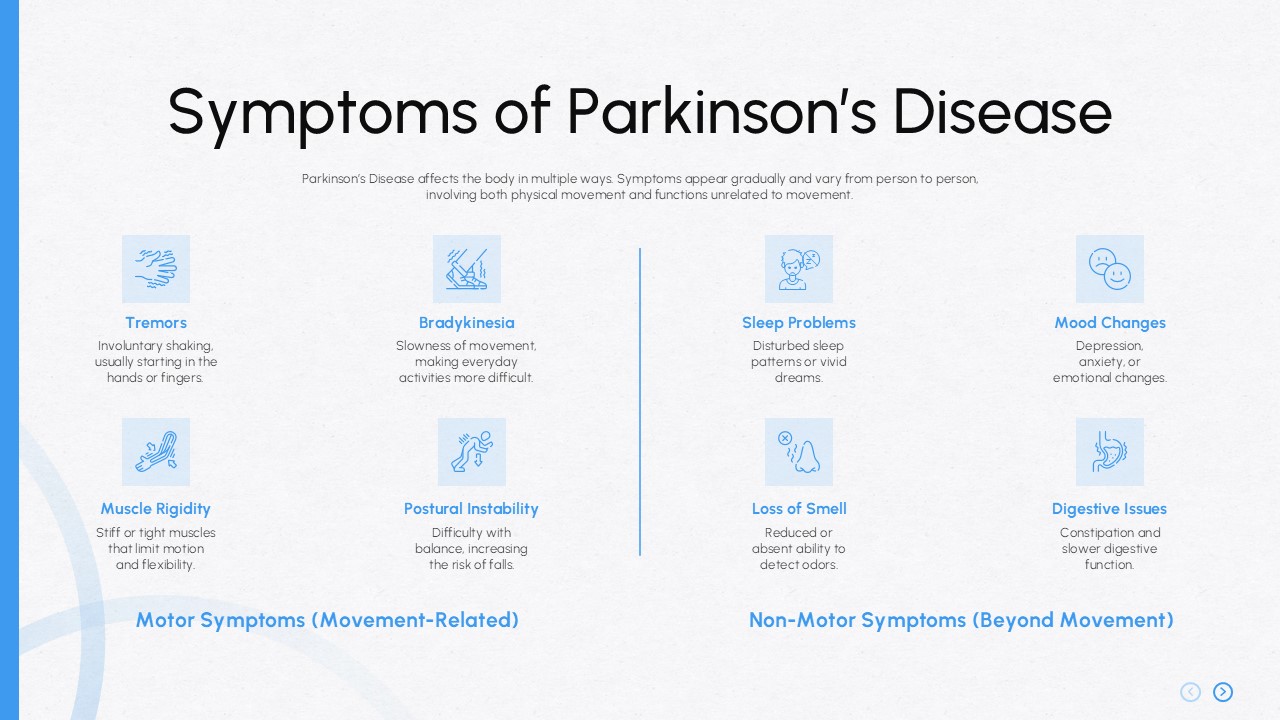
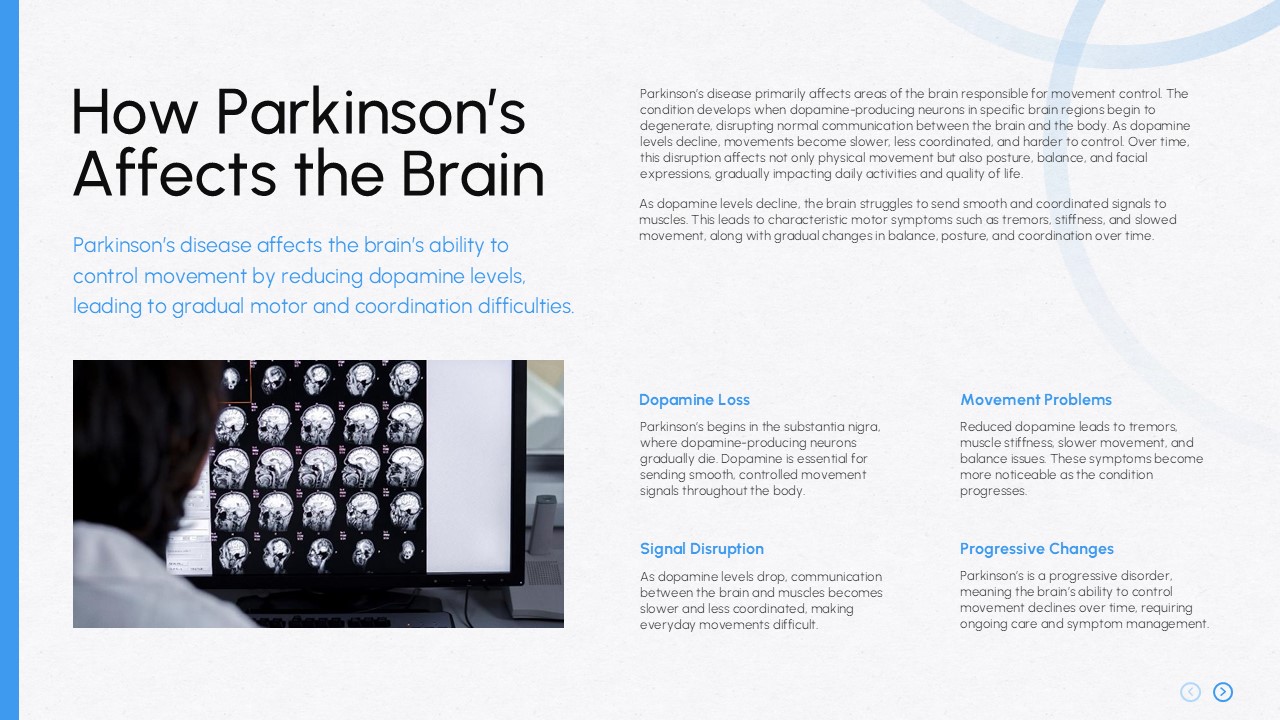
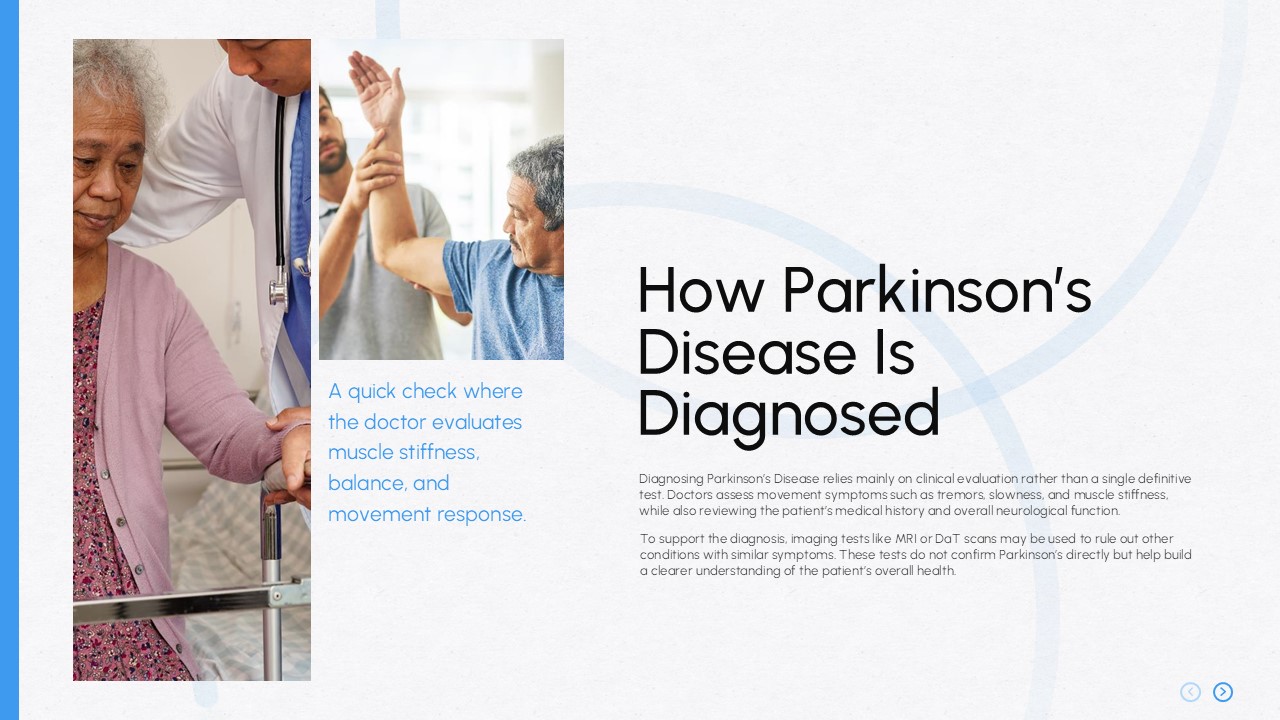
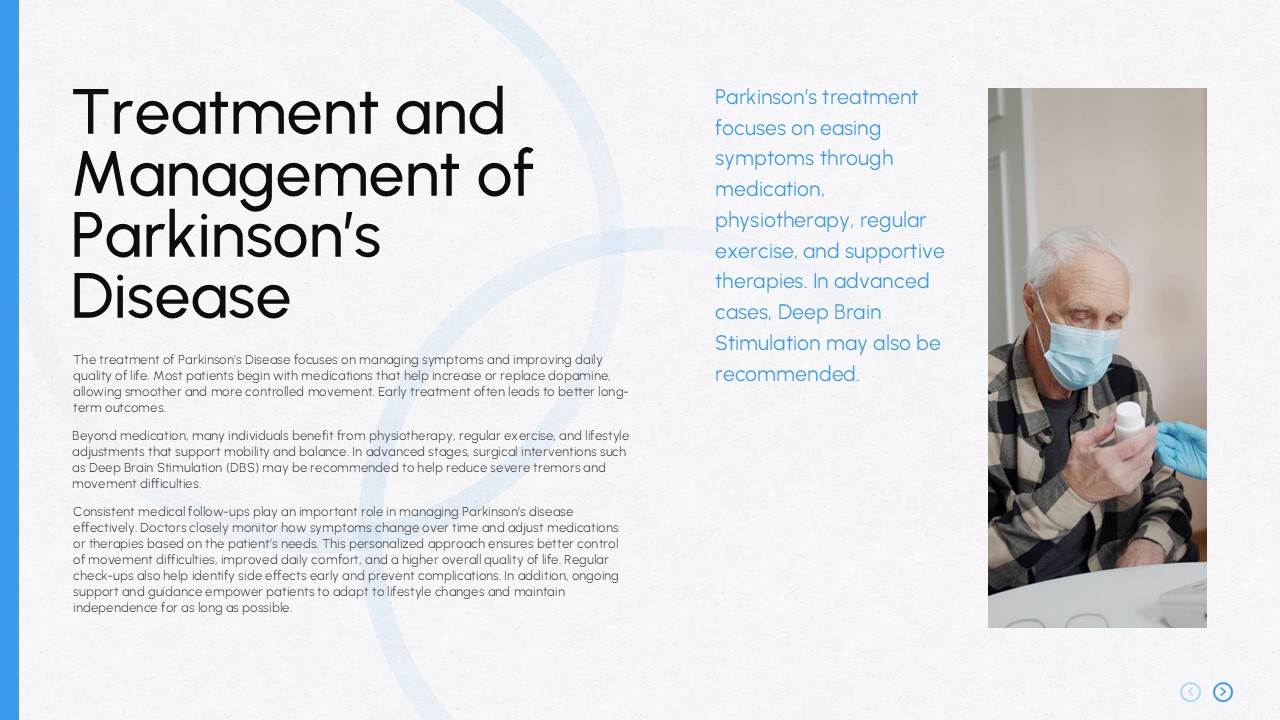


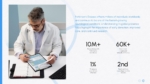


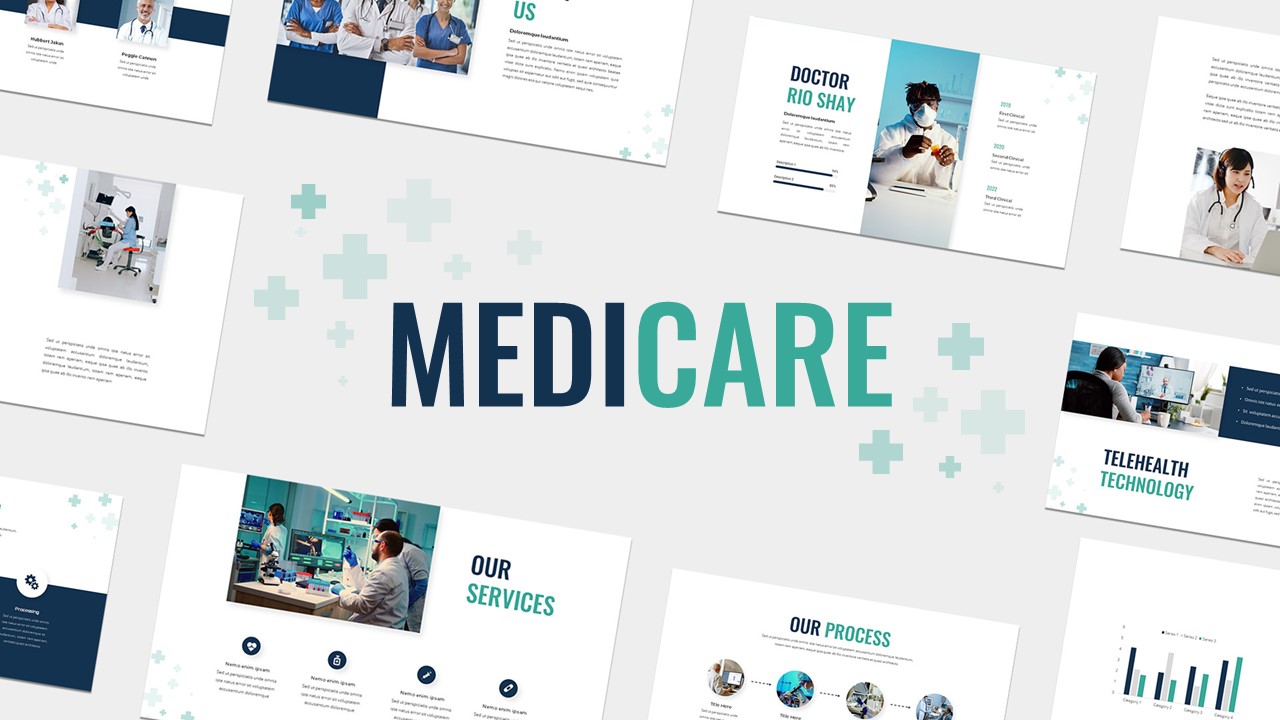
The Parkinson’s Disease Awareness Presentation Template is designed for healthcare professionals, medical educators, students, researchers, and awareness organizations. It provides a clear and engaging way to explain Parkinson’s disease, its symptoms, causes, diagnosis, and treatment approaches. The template uses a clean white layout with soft blue accents, medical imagery, and well-structured content areas. This design keeps complex health information easy to read and present. Available for both PowerPoint and Google Slides, the template is fully editable, so you can update the text, images, statistics, and presentation details to match your topic. The slide sequence creates a logical flow from basic awareness to diagnosis and management. It can support classroom lessons, healthcare seminars, patient education sessions, medical research presentations, and awareness campaigns. The visual style also works well for professional conferences and internal healthcare presentations.
Slide details include:
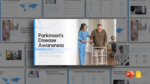
- Cover Slide: Introduces Parkinson’s disease awareness with a healthcare-focused image.
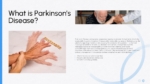
- What Is Parkinson’s Disease?: Explains the condition and its general impact on movement.
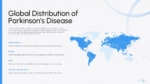
- Global Distribution: Uses a world map to present geographic information and regional context.
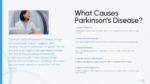
- Causes: Organizes genetic, environmental, aging-related, and cellular factors.
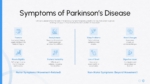
- Symptoms: Presents motor and non-motor symptoms in an easy-to-scan layout.
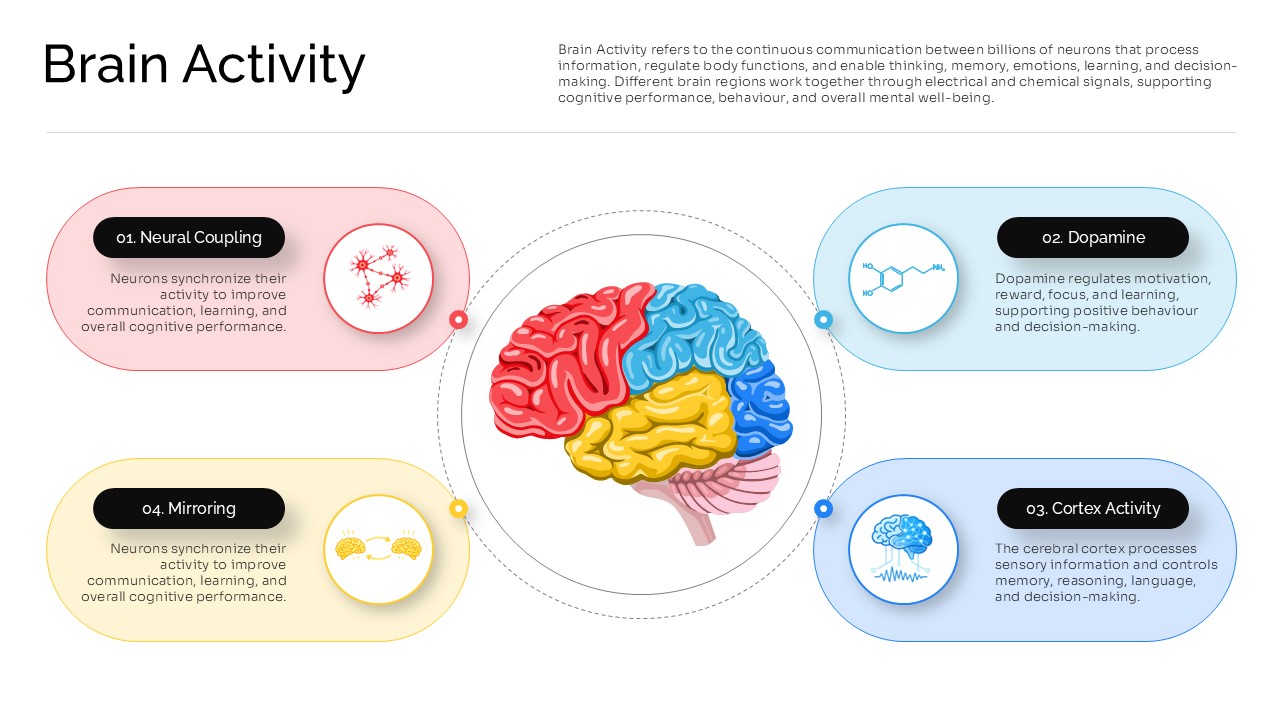
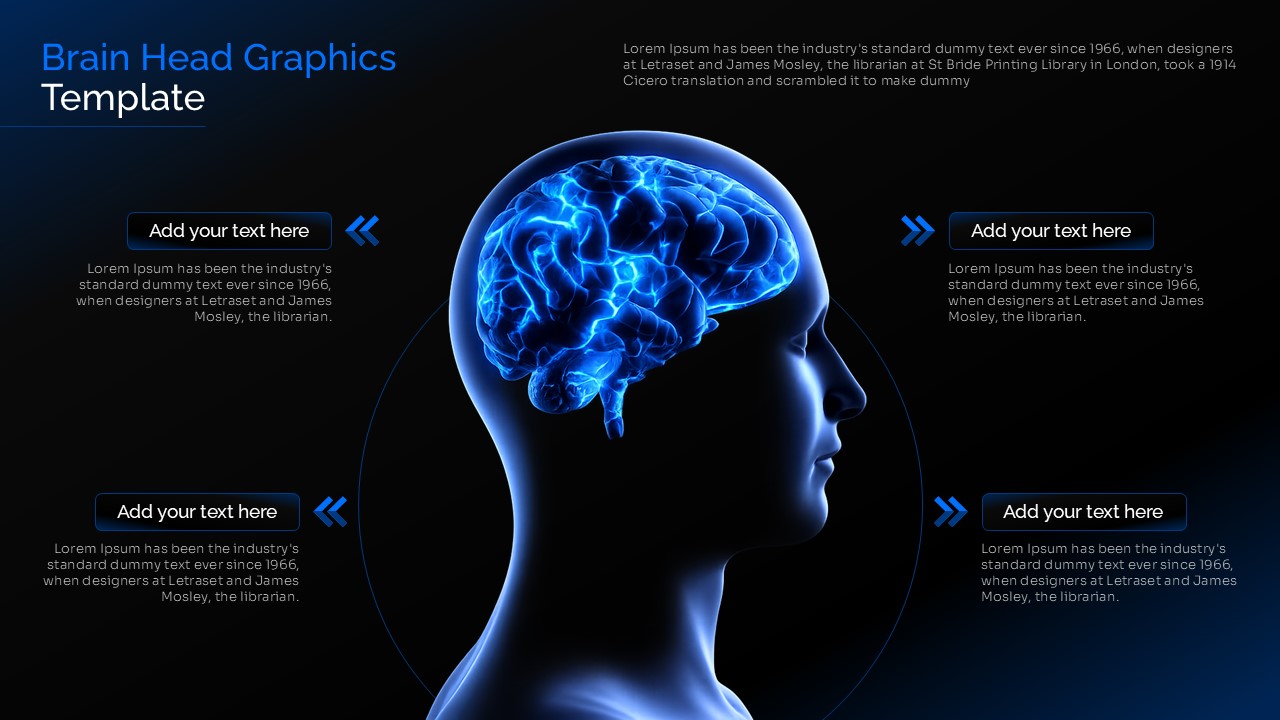
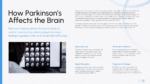
- Brain Impact: Explains dopamine loss, movement problems, and changes in brain function.
- Diagnosis: Highlights clinical evaluation, medical history, movement assessment, and supporting tests.
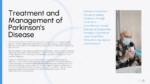
- Treatment and Management: Covers medication, physiotherapy, exercise, lifestyle support, and other management approaches.
- Closing Slide: Provides a simple ending for awareness talks and educational sessions.
This Parkinson’s Disease presentation template helps turn detailed medical information into a structured visual story. You can customize the content for different audiences while keeping the professional healthcare appearance. Use PowerPoint or Google Slides to edit the presentation, add current research, include reliable statistics, and adapt each section to your communication goals.
See more

Aspect Ratio
16:9Item ID
SKT04598


FAQs
You May Also Like These Presentation Templates


- Free
- Free
- Free
- Free
- Free
- Free
- Free
- Free

- Free
- Free
- Free
- Free
- Free
- Free
- Free
- Free
- Free
- Free
- Free

- Free
- Free
- Free
- Free
- Free
- Free
- Free
- Free
- Free
- Free
- Free
- Free
- Free
- Free

- Free
- Free
- Free
- Free
- Free
- Free
- Free
- Free
- Free