Corporate Stakeholder Map Template for PowerPoint & Google Slides
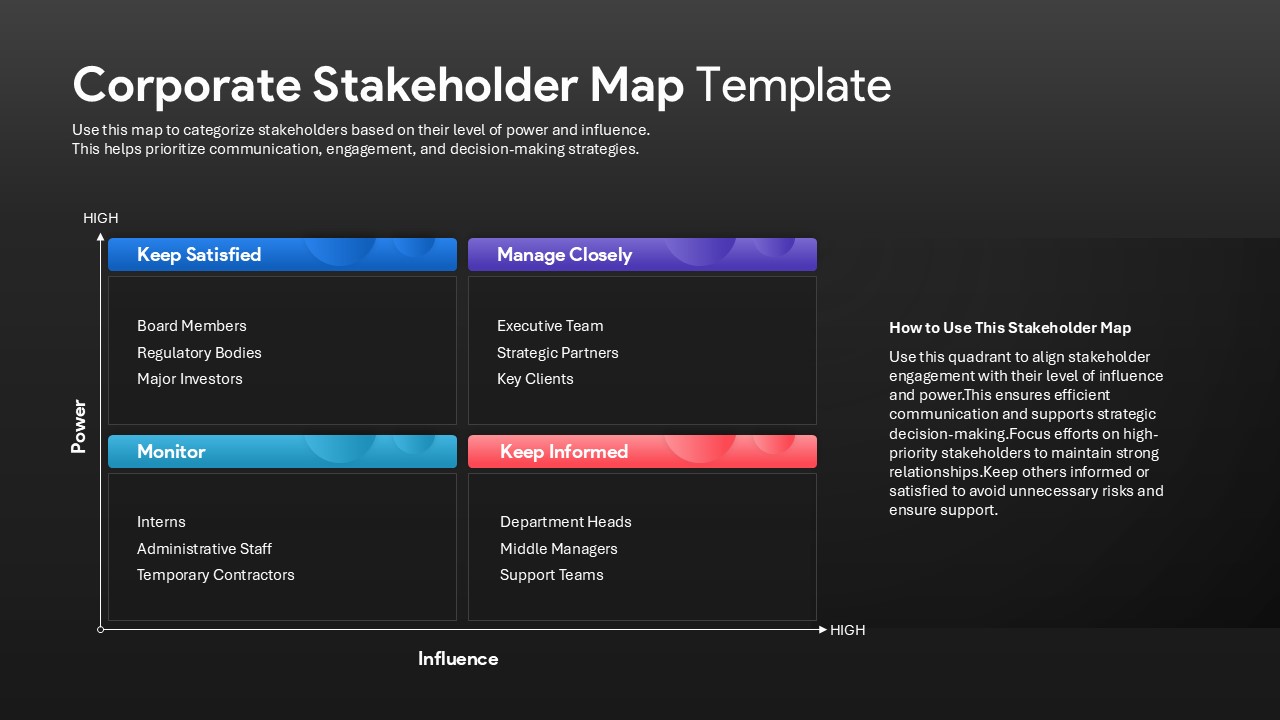
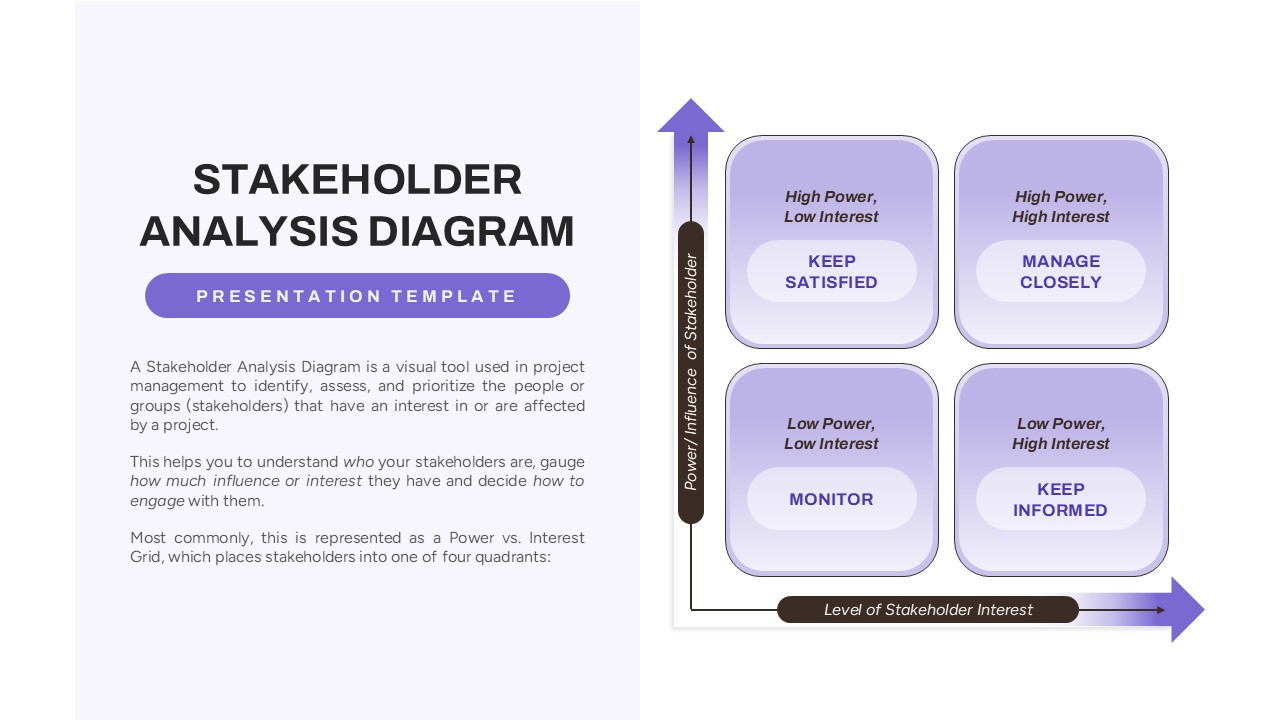
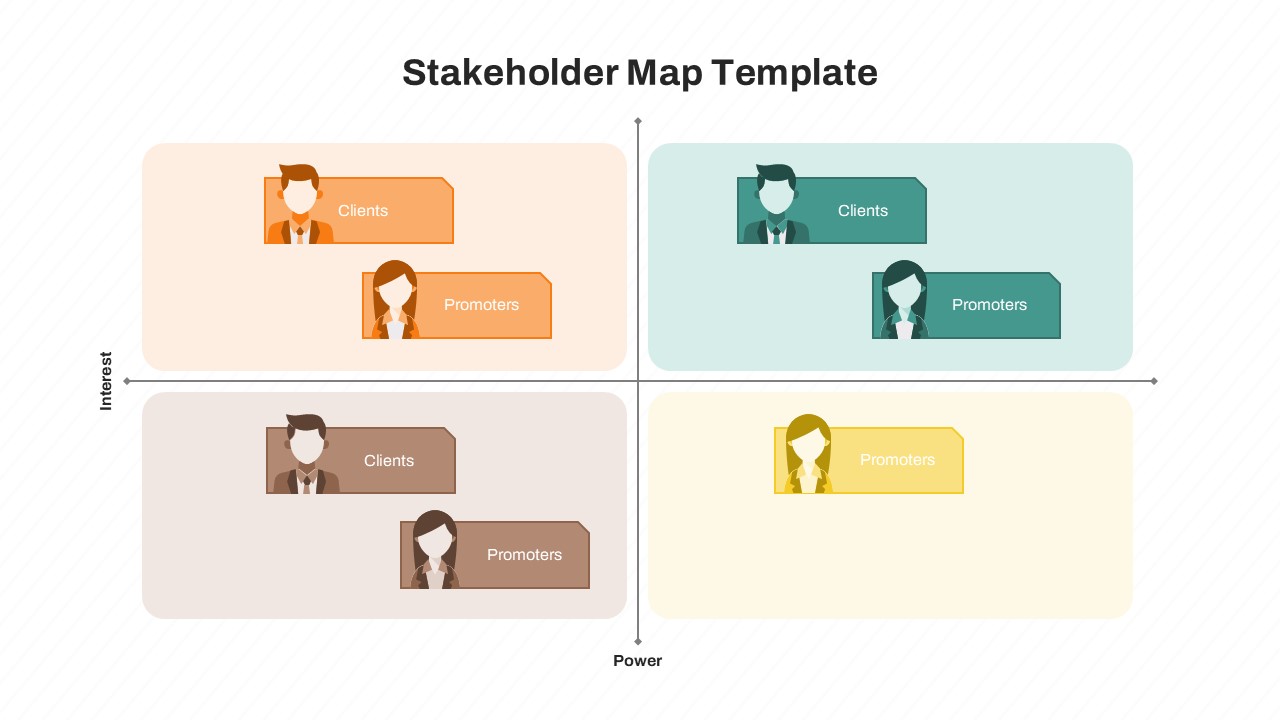
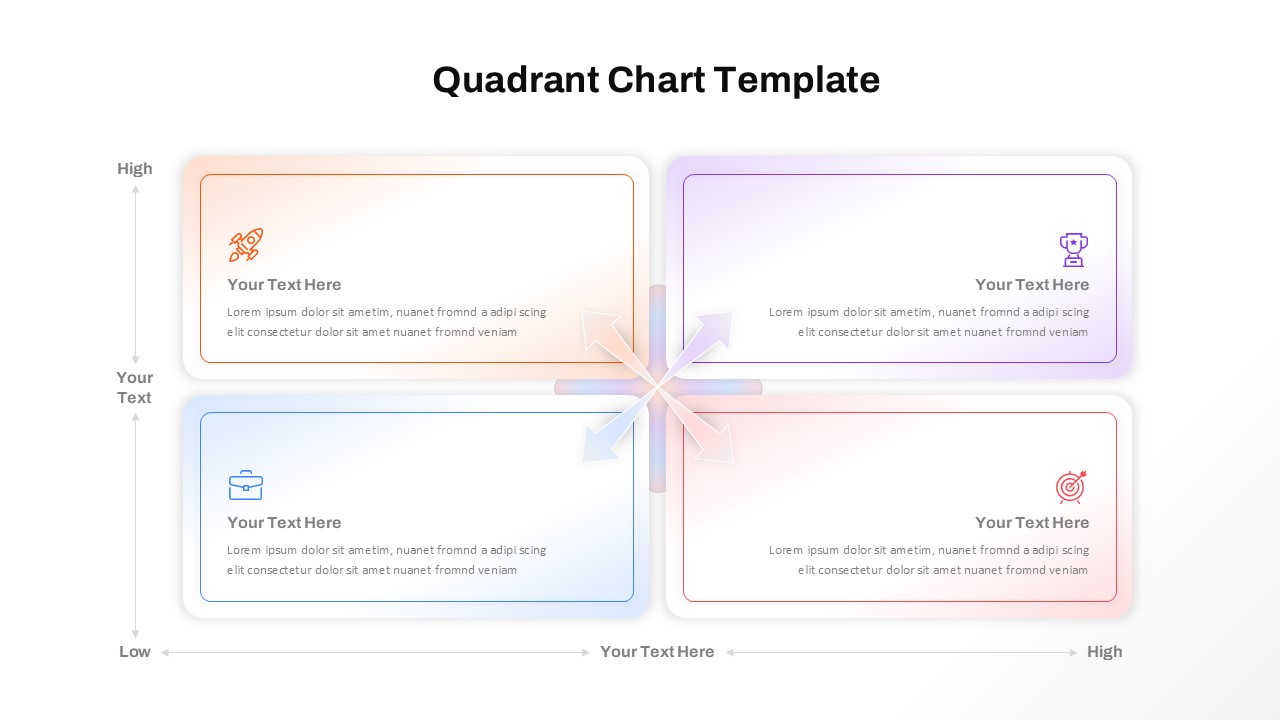
The Corporate Stakeholder Map Template is a professional and practical tool designed to help businesses identify, categorize, and manage their stakeholders based on levels of power and influence. Using a simple yet effective quadrant system, this template ensures clarity in stakeholder analysis and supports stronger communication and engagement strategies.
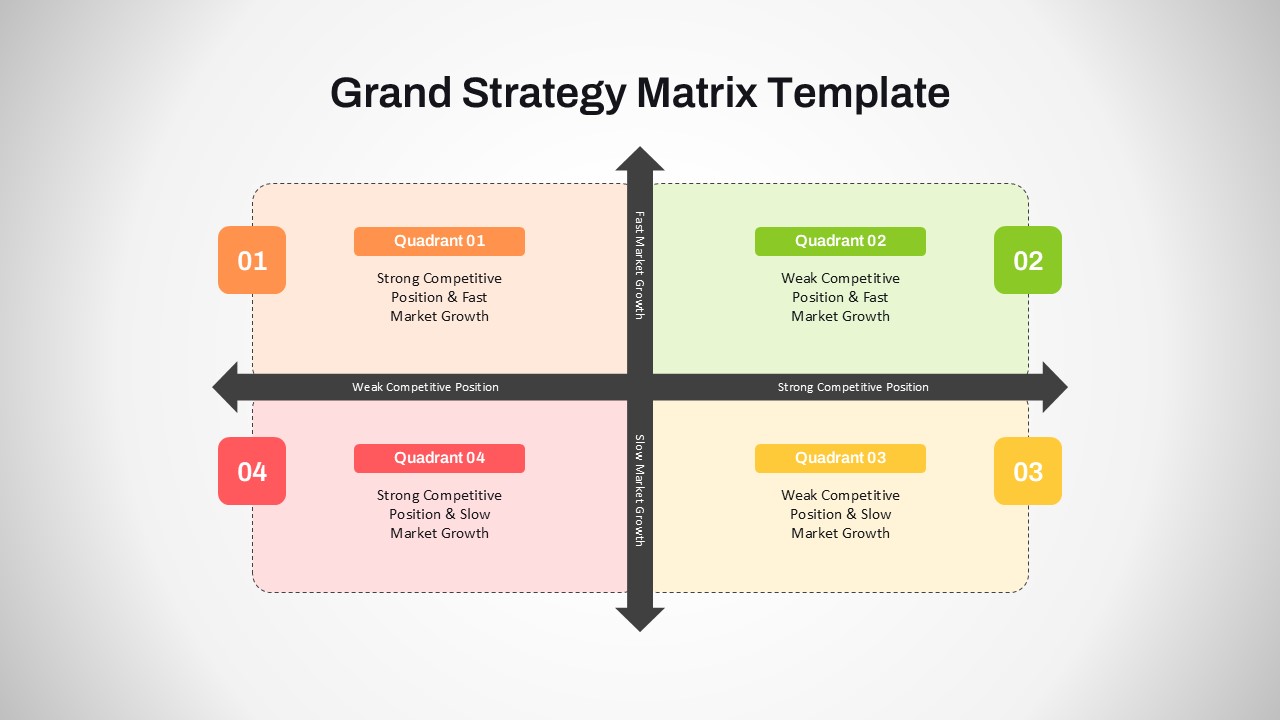
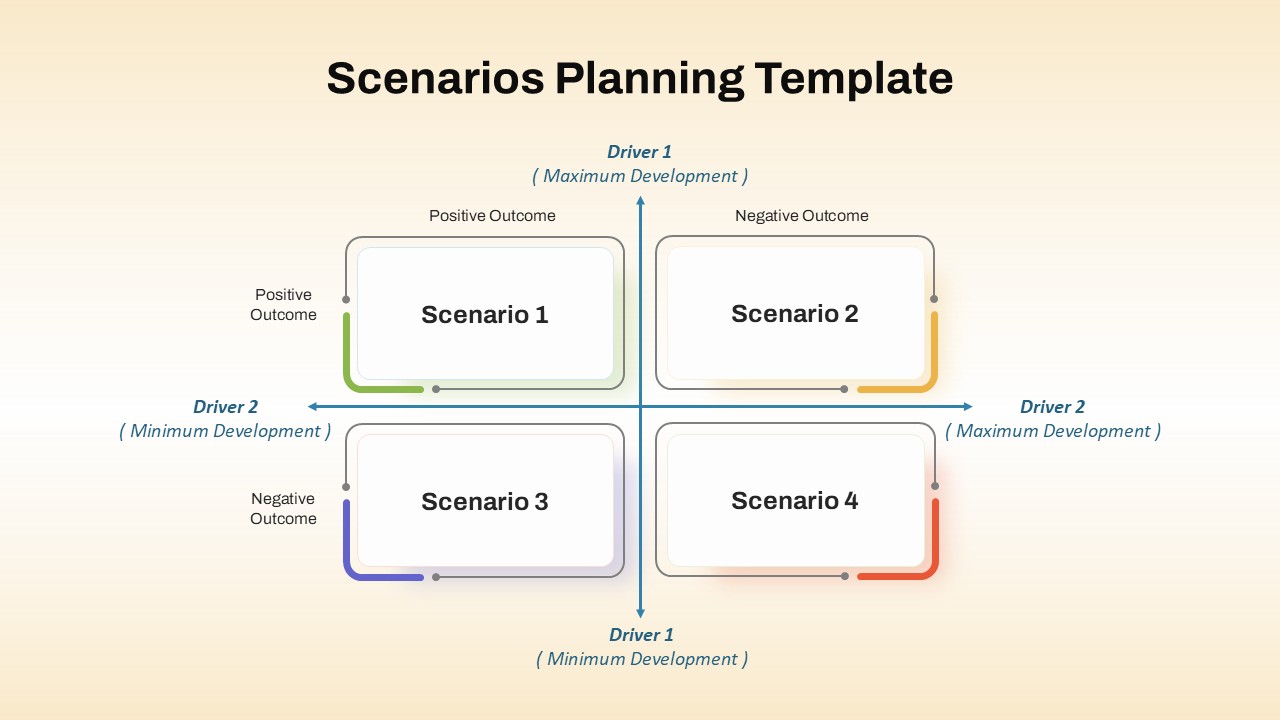
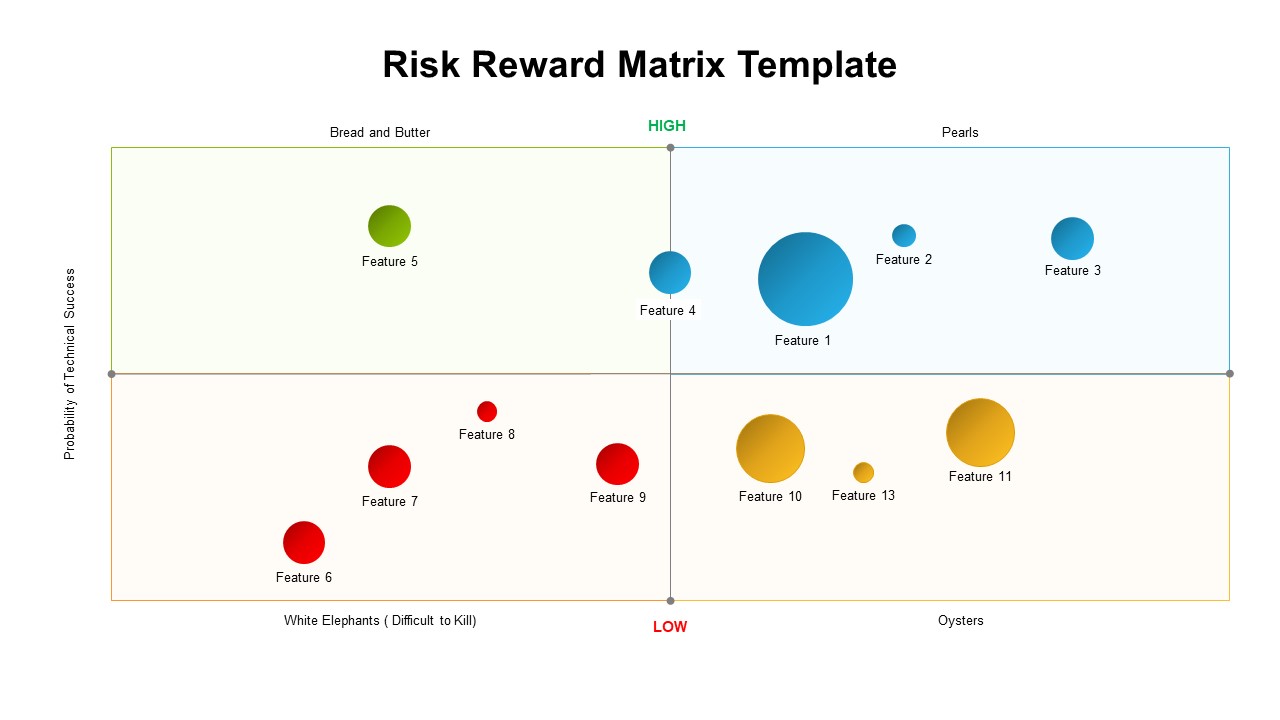
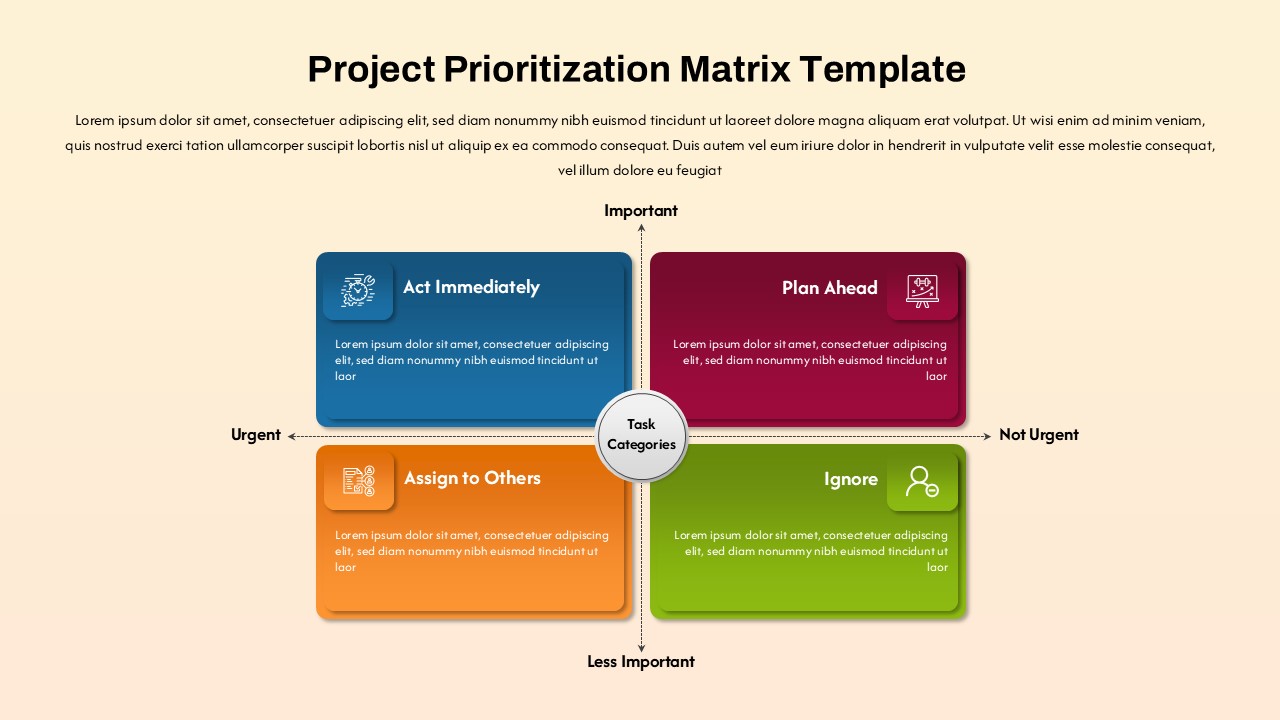
The map is divided into four categories: Keep Satisfied, Manage Closely, Keep Informed, and Monitor. Each quadrant helps organizations prioritize attention and allocate resources effectively. For example, high-power but low-influence stakeholders such as board members and regulatory bodies should be kept satisfied, while those with both high power and influence like executive teams and strategic partners must be managed closely. Similarly, middle managers and support teams are best kept informed, while interns and temporary staff fall under the “monitor” group.
This structured approach allows businesses to strengthen relationships with key players, reduce risks, and ensure smoother decision-making processes. Whether used in corporate strategy meetings, project planning sessions, or stakeholder communication workshops, this template helps presenters visualize relationships in a clear and engaging way.
The design is sleek and professional, featuring contrasting colors for easy distinction between categories. It is fully customizable—users can edit text, colors, and layouts to match their specific business needs or branding guidelines.
Compatible with PowerPoint and Google Slides, this stakeholder map template is ideal for project managers, consultants, executives, and team leaders who need to align stakeholders effectively. By integrating this tool into presentations, businesses can improve collaboration, secure stakeholder support, and achieve project success with greater efficiency.
See more

Aspect Ratio
16:9Item ID
SKT04274


Features of this template
Other User Cases of the Template:
Project management planning, corporate strategy sessions, change management initiatives, investor presentations, stakeholder engagement workshops, business consulting reports, organizational alignment meetings, client management strategies, risk management planning, leadership team discussions.
FAQs
You May Also Like These Presentation Templates


- Free
- Free
- Free
- Free
- Free
- Free
- Free
- Free
- Free
- Free