Materiality Matrix Template for PowerPoint & Google Slides
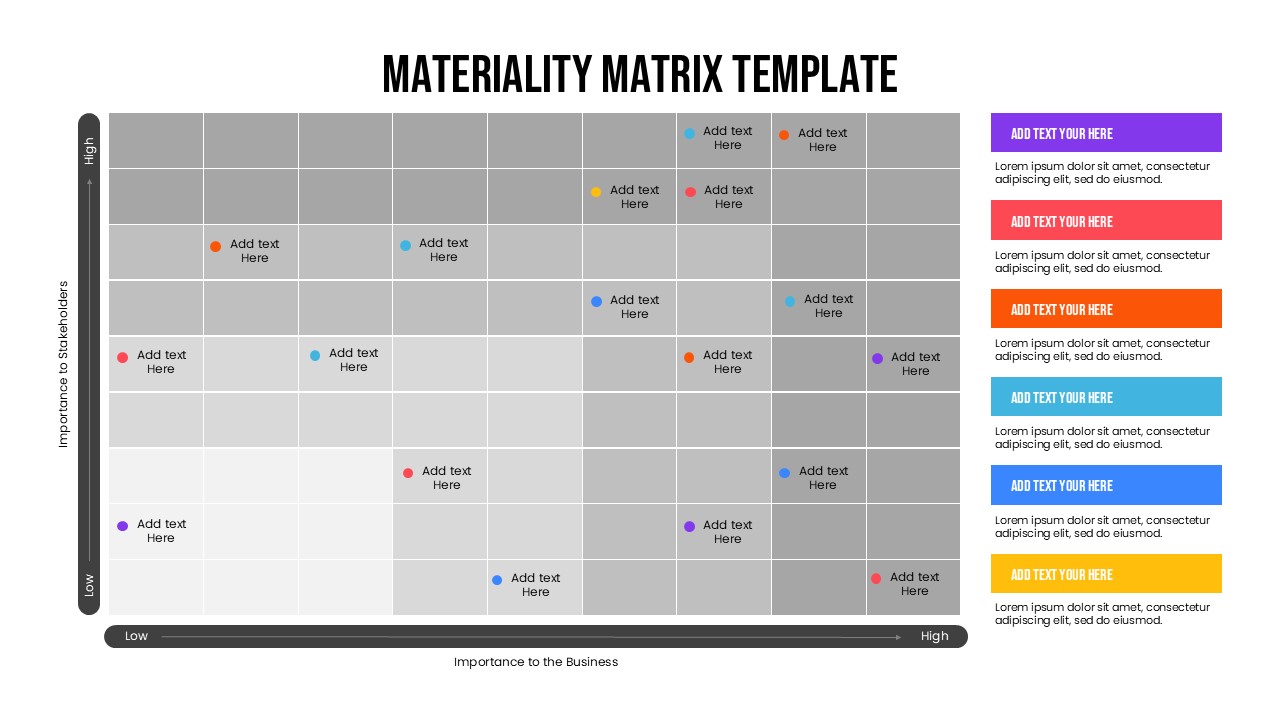
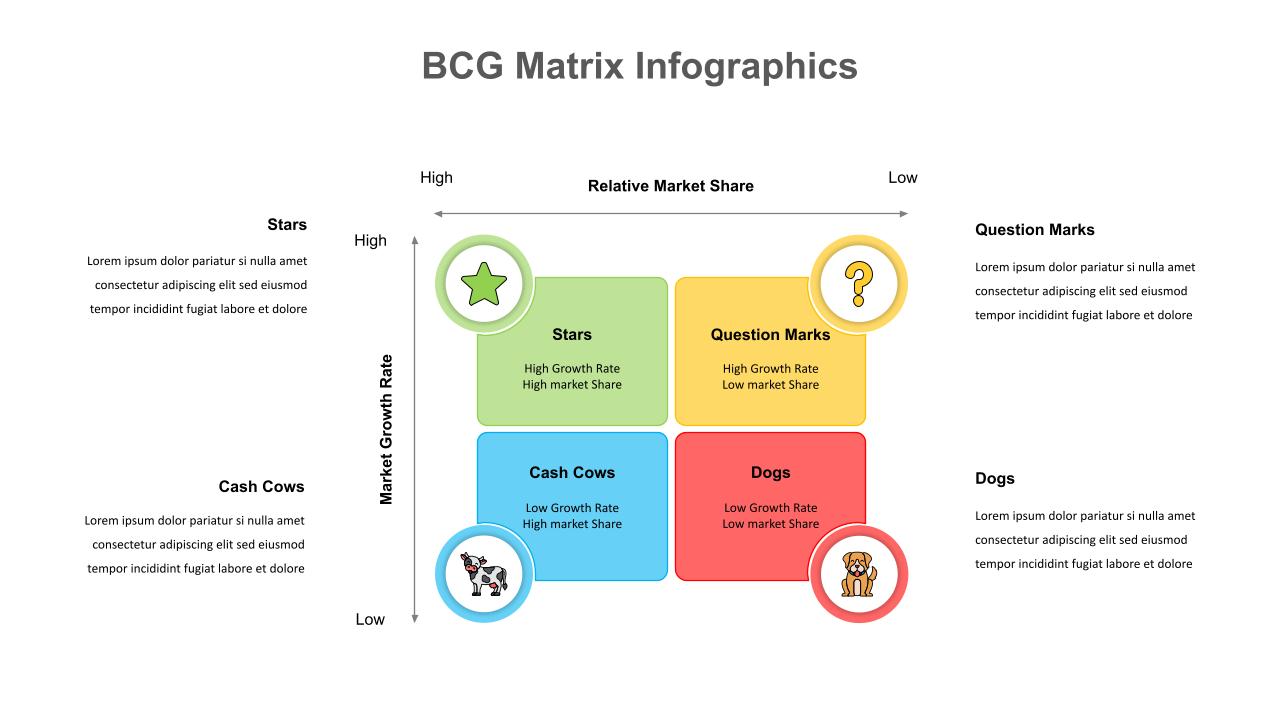
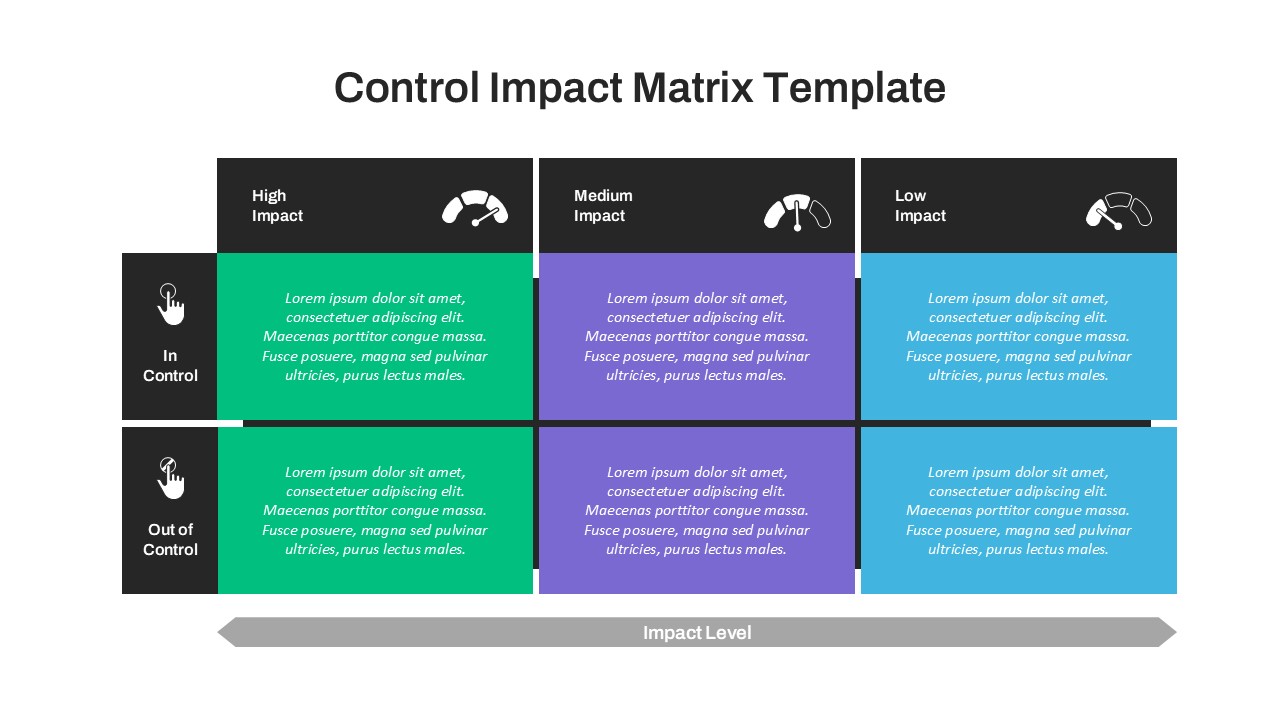
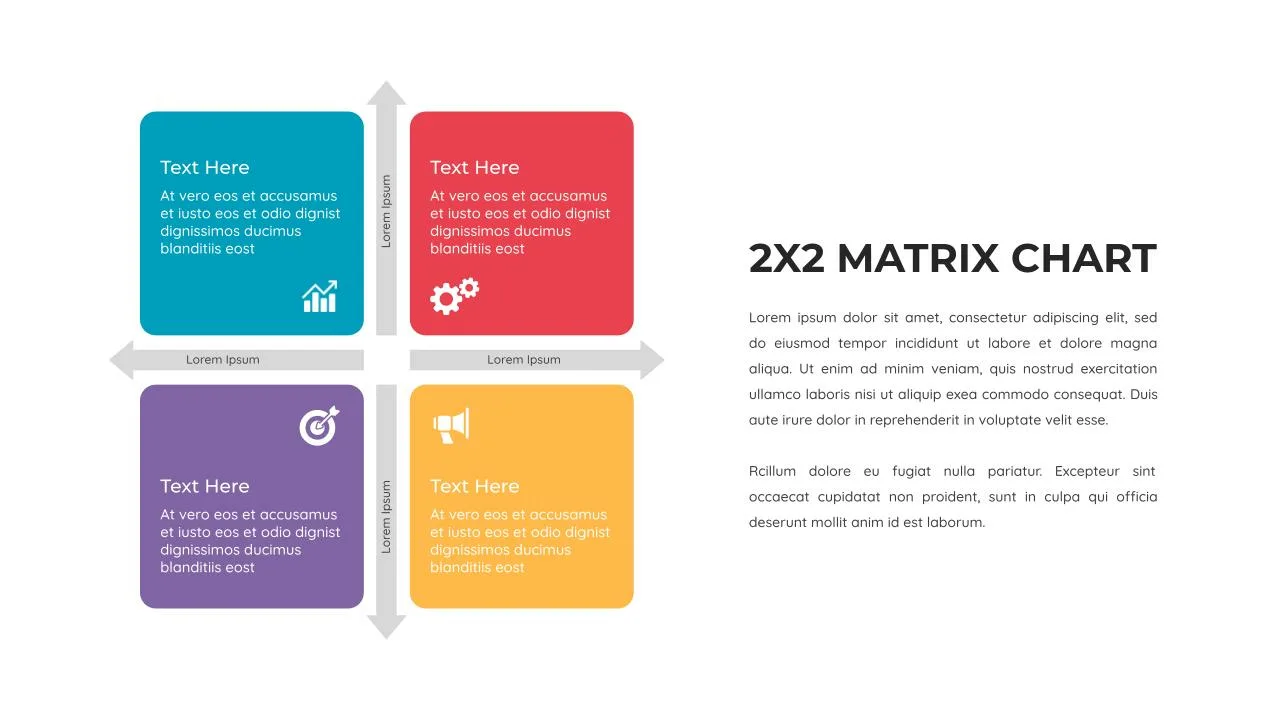
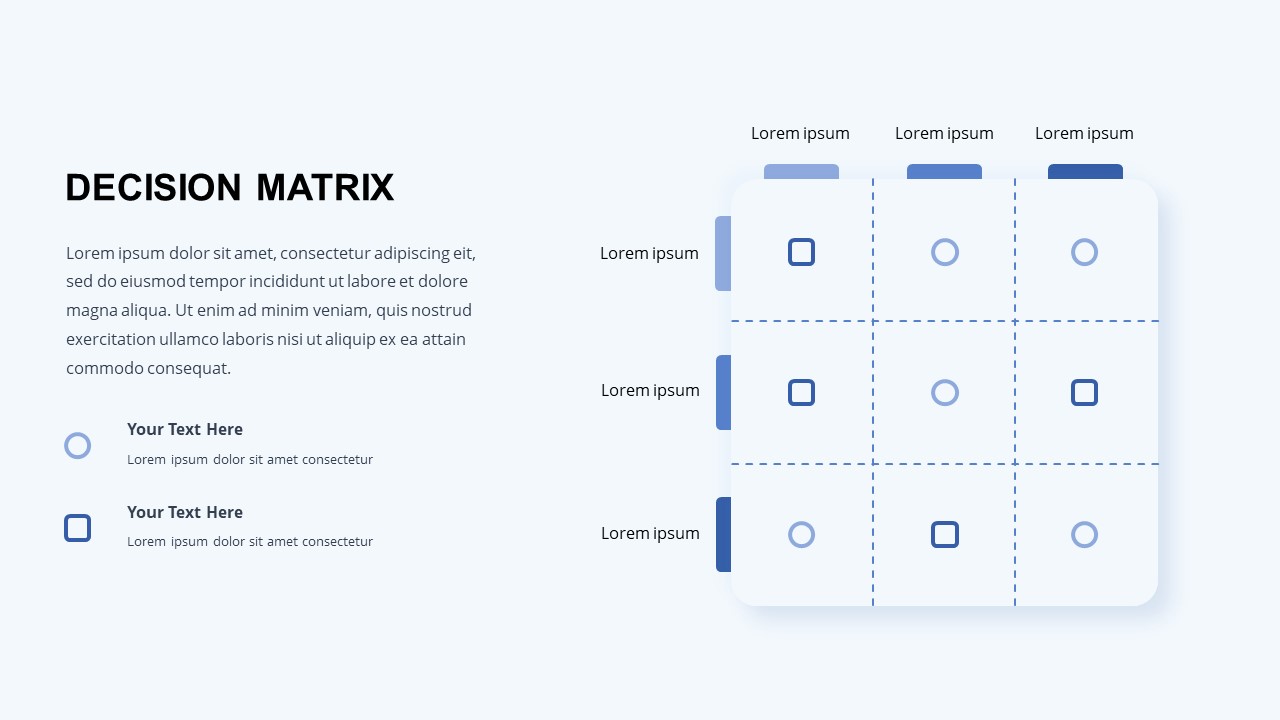
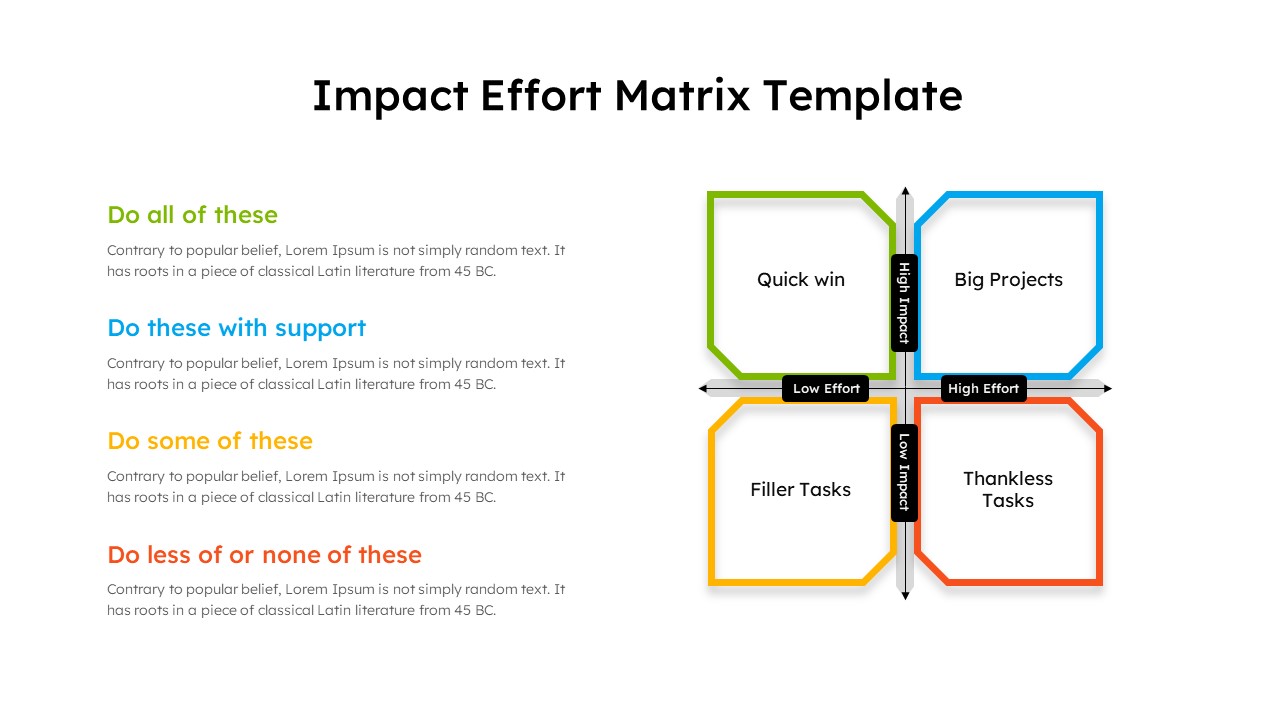
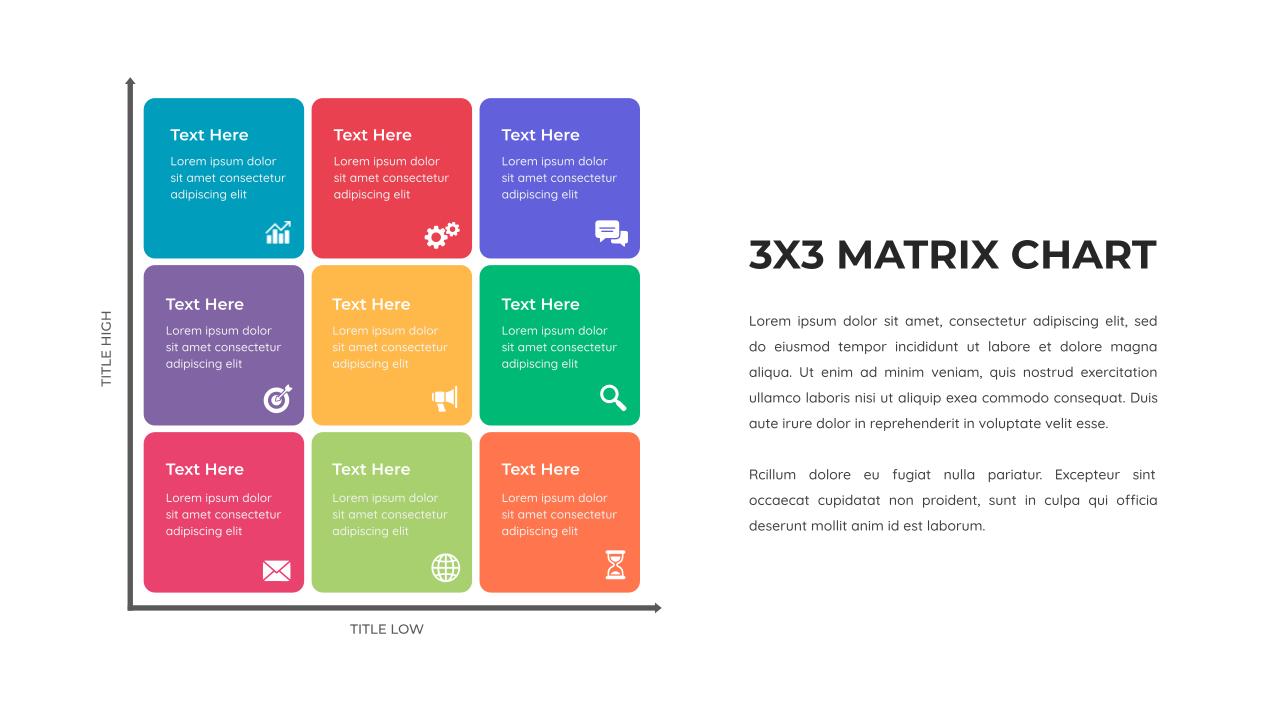
The Materiality Matrix Template is a strategic tool designed to help organizations visualize and prioritize issues based on their significance to both the business and its stakeholders. This professionally crafted template features a two-dimensional matrix where the vertical axis measures the importance to stakeholders and the horizontal axis represents importance to the business. Each plotted point allows for clear differentiation and categorization of topics, enabling more informed decision-making.
Ideal for ESG reporting, corporate strategy presentations, stakeholder engagement sessions, and sustainability planning, this template helps identify material issues that should be addressed or communicated. The structured grid allows users to visually convey complex assessments with clarity and precision, while the color-coded markers and legend on the right side enhance readability and categorization of issues.
Fully editable in both PowerPoint and Google Slides, this template ensures maximum flexibility for customization. Users can easily insert their own data, adjust text fields, and reconfigure design elements to align with branding or reporting standards. Whether you’re conducting a stakeholder analysis or aligning corporate goals with environmental and social priorities, this template simplifies the process with a clean, intuitive design.
By integrating this tool into your corporate planning or sustainability presentations, you can foster transparency, align business priorities, and make a compelling case for initiatives that matter most.
See more

Aspect Ratio
16:9Item ID
SKT04280


Features of this template
Other User Cases of the Template:
ESG reporting, stakeholder analysis, corporate strategy meetings, sustainability planning, boardroom presentations, CSR reporting, non-financial risk assessment, strategic decision-making workshops, annual reporting, business impact analysis.
FAQs
You May Also Like These Presentation Templates


- Free
- Free
- Free
- Free
- Free
- Free
- Free