Free 1700’s Fashion History Template for PowerPoint & Google Slides

Overview
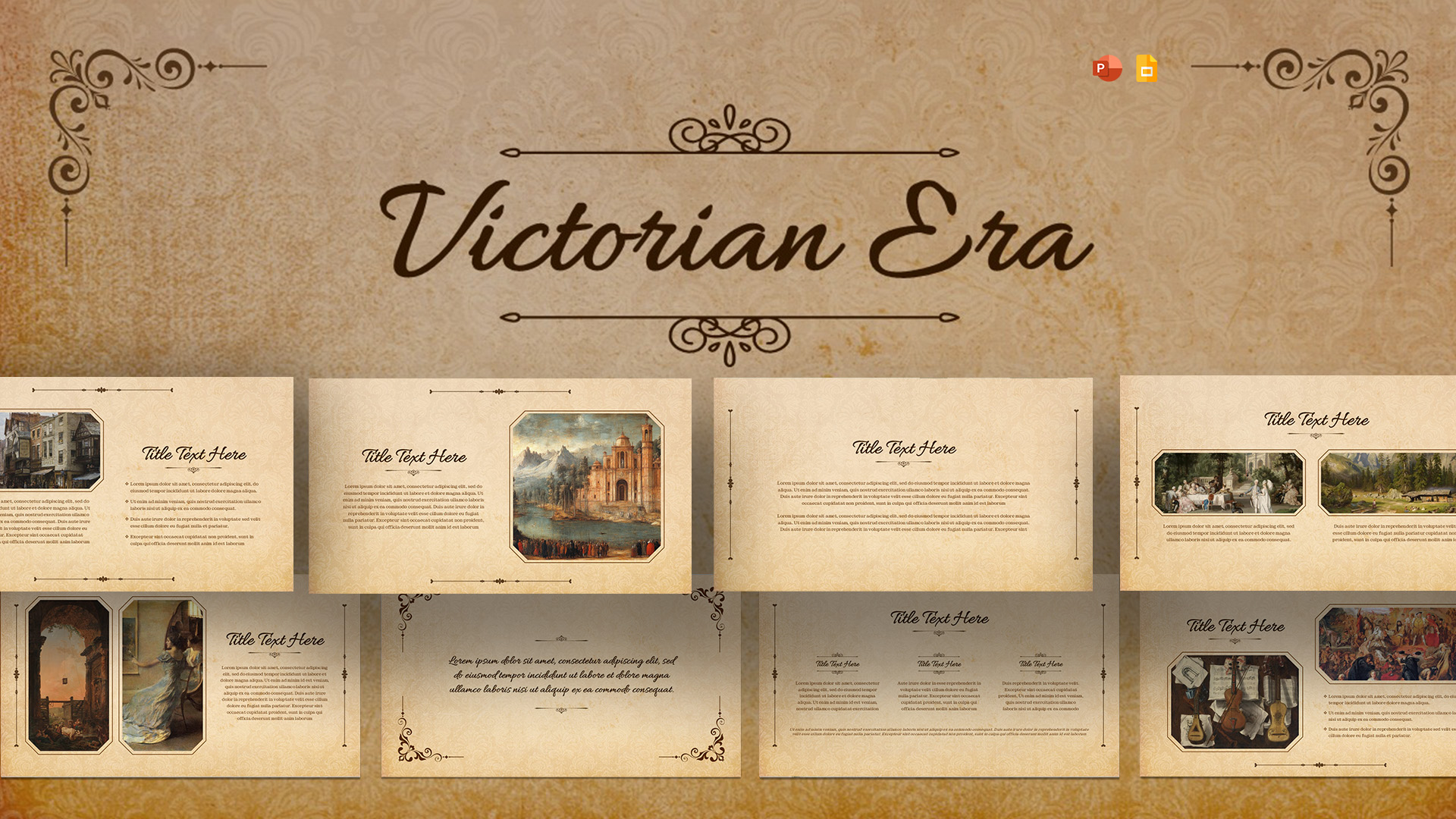
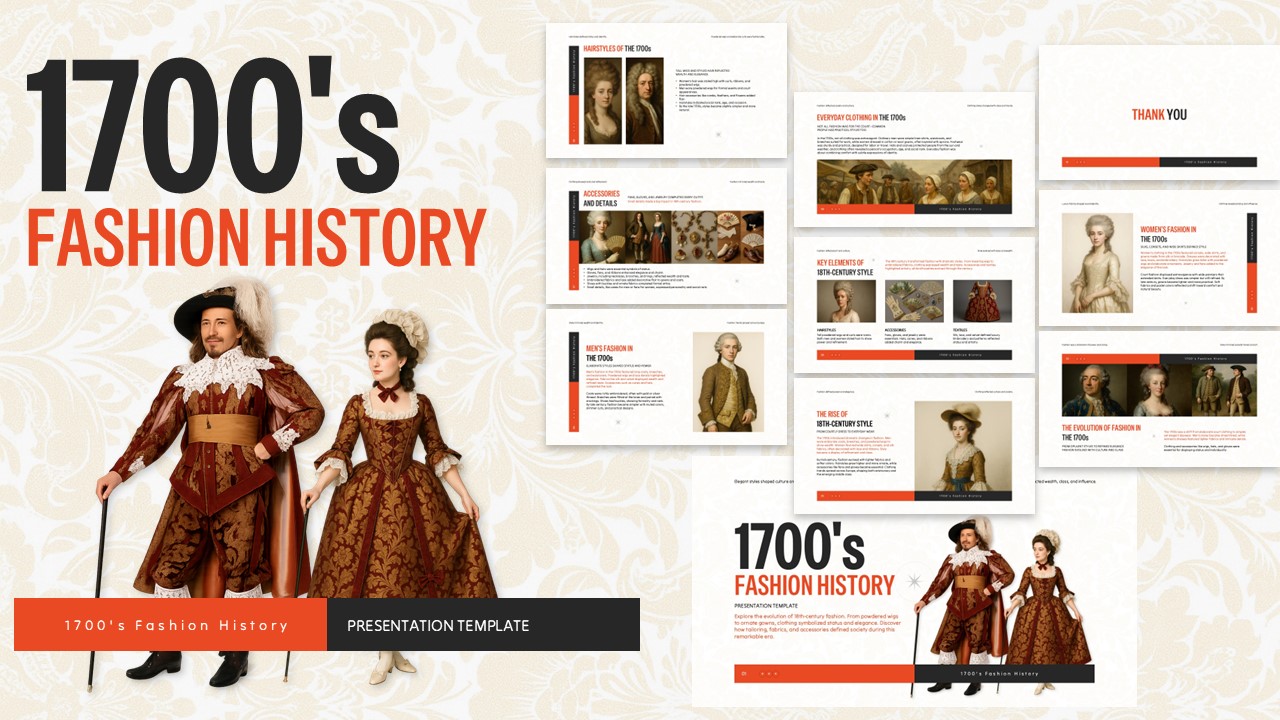
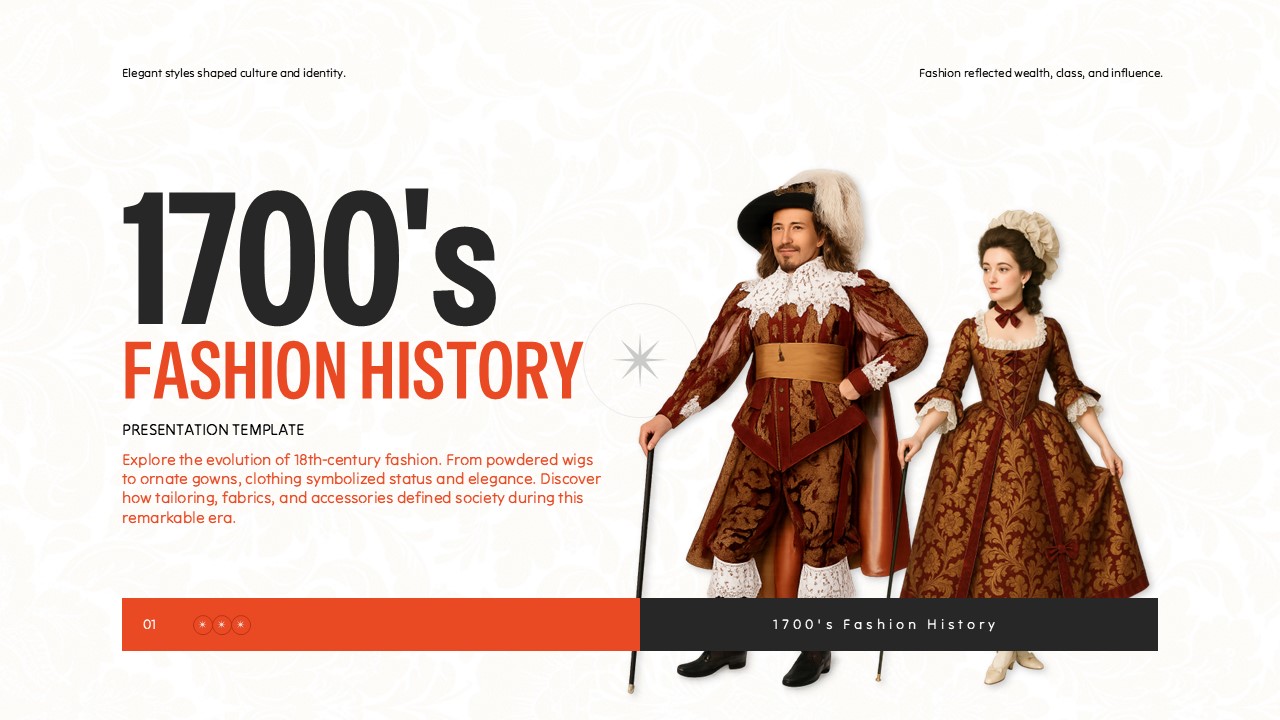
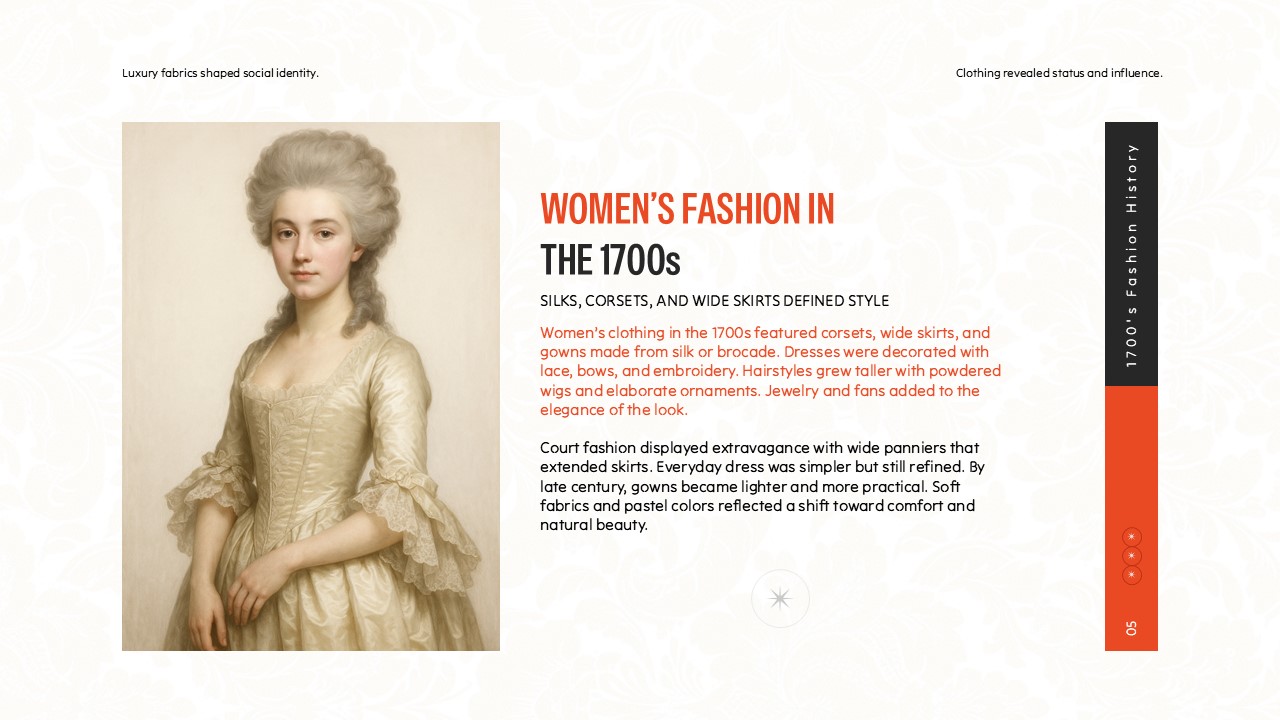
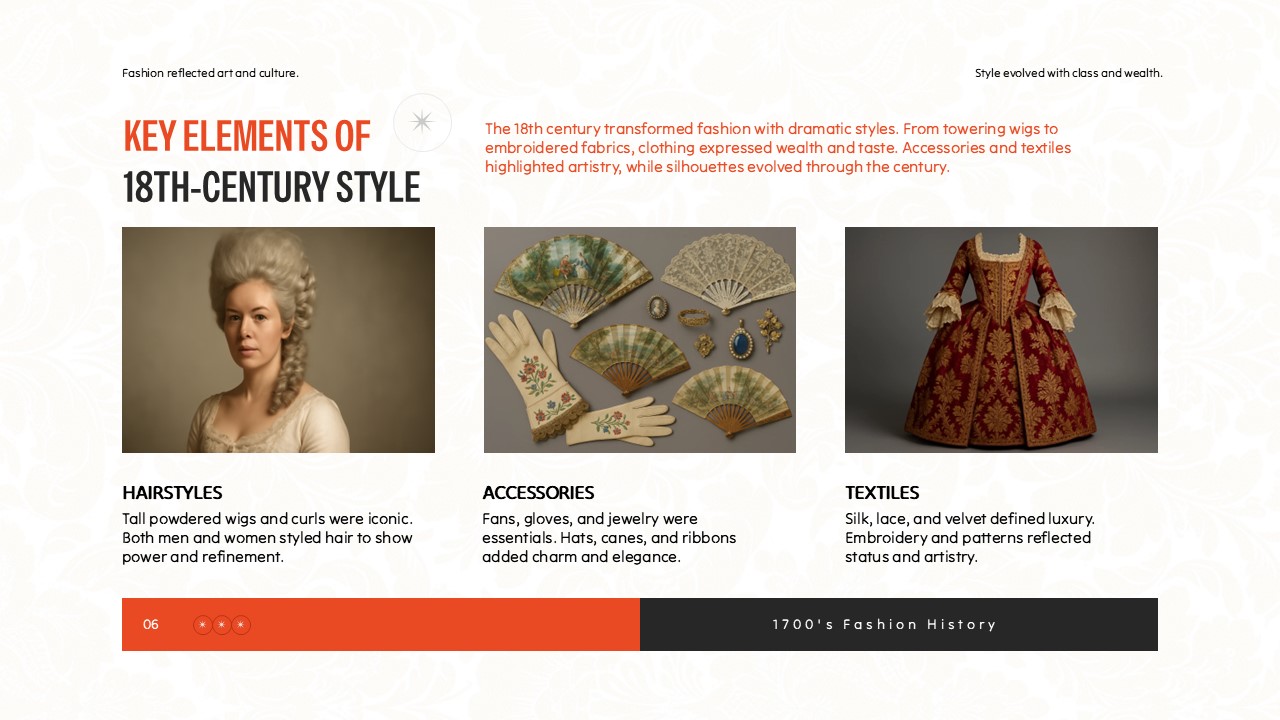
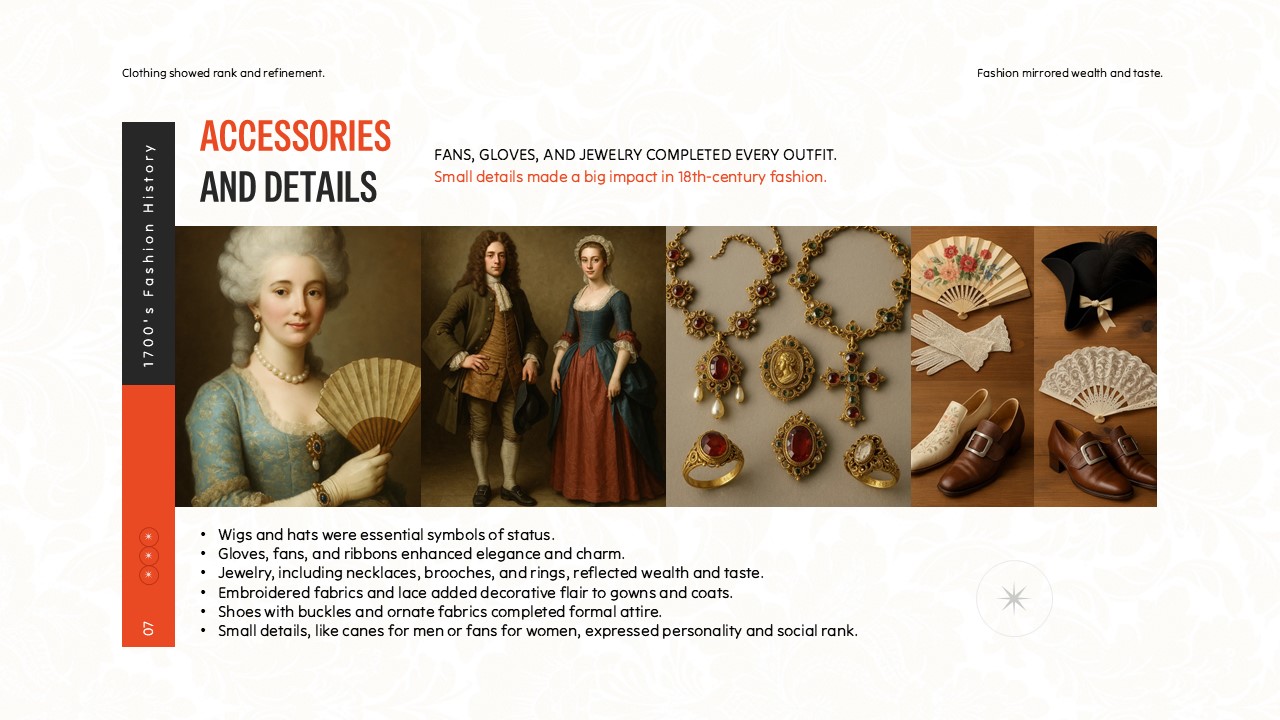
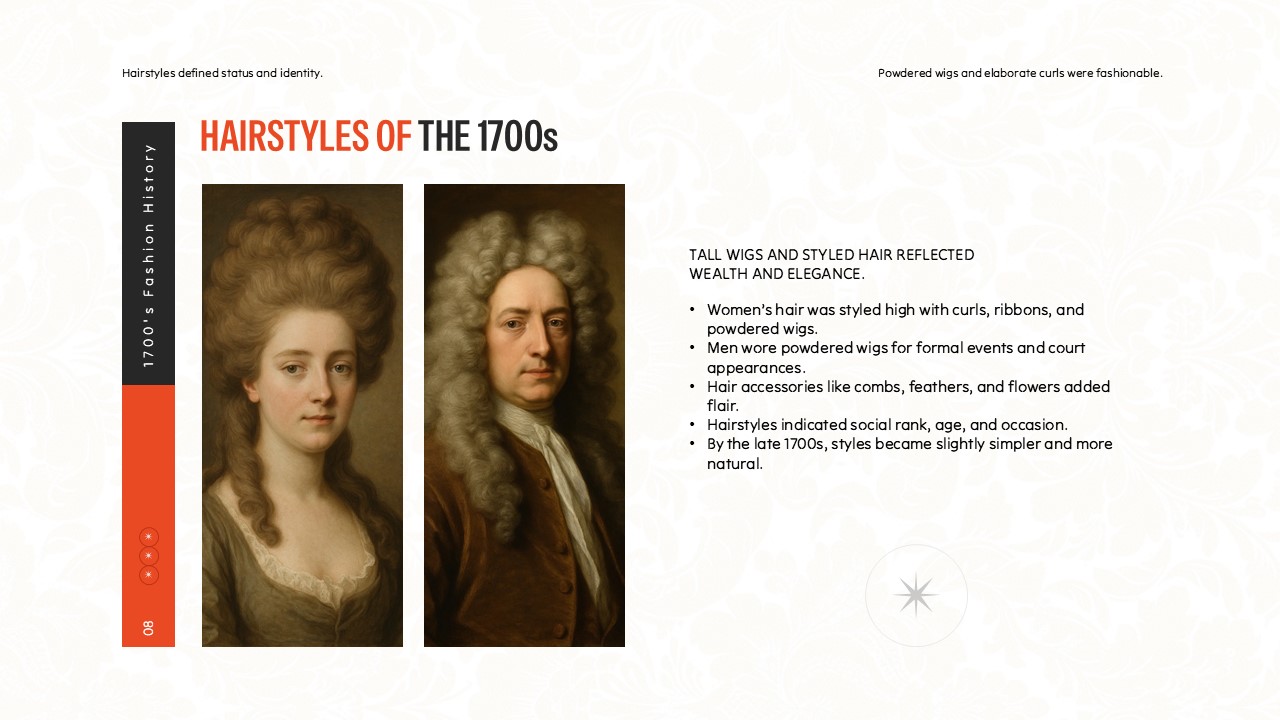
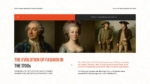
The 1700’s Fashion History Presentation Template is built to present the clothing, lifestyle, and culture of the 18th century. It explores the evolution of style through structured slides that highlight fashion, ornaments, and hairstyles from the period. This resource works for teaching, research, and creative projects where fashion history needs clear presentation.
Key Slides Included
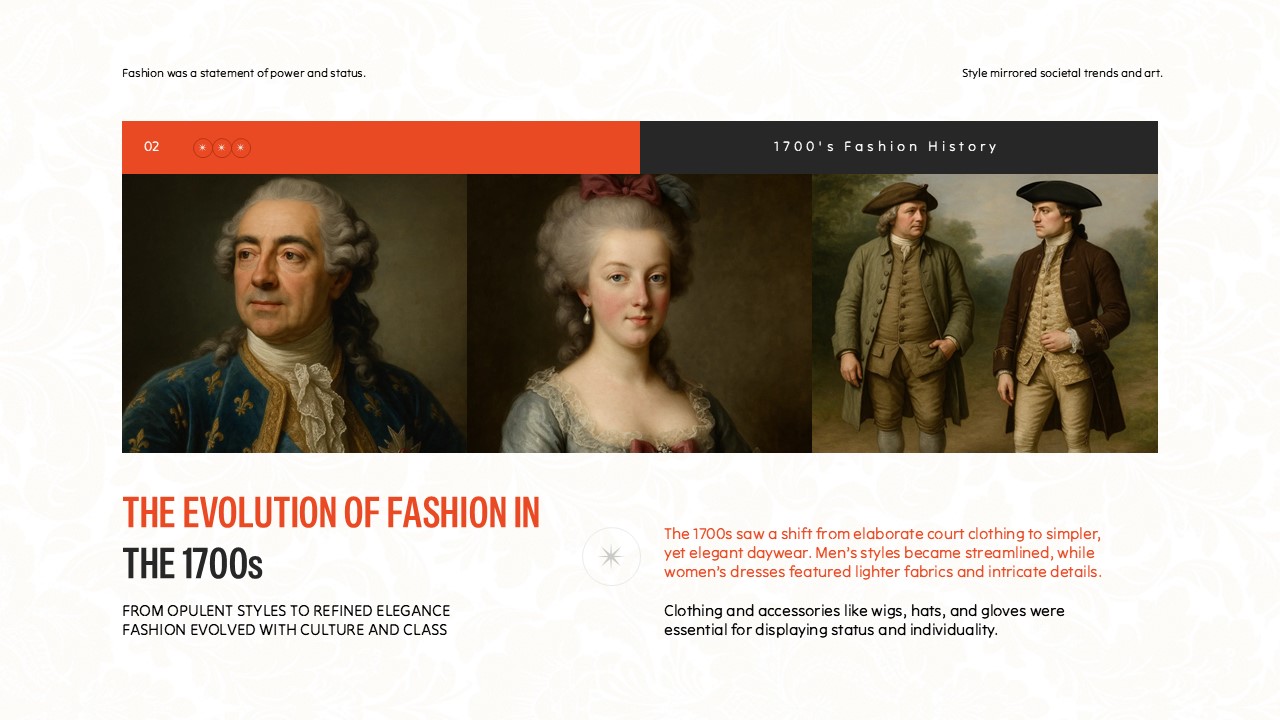
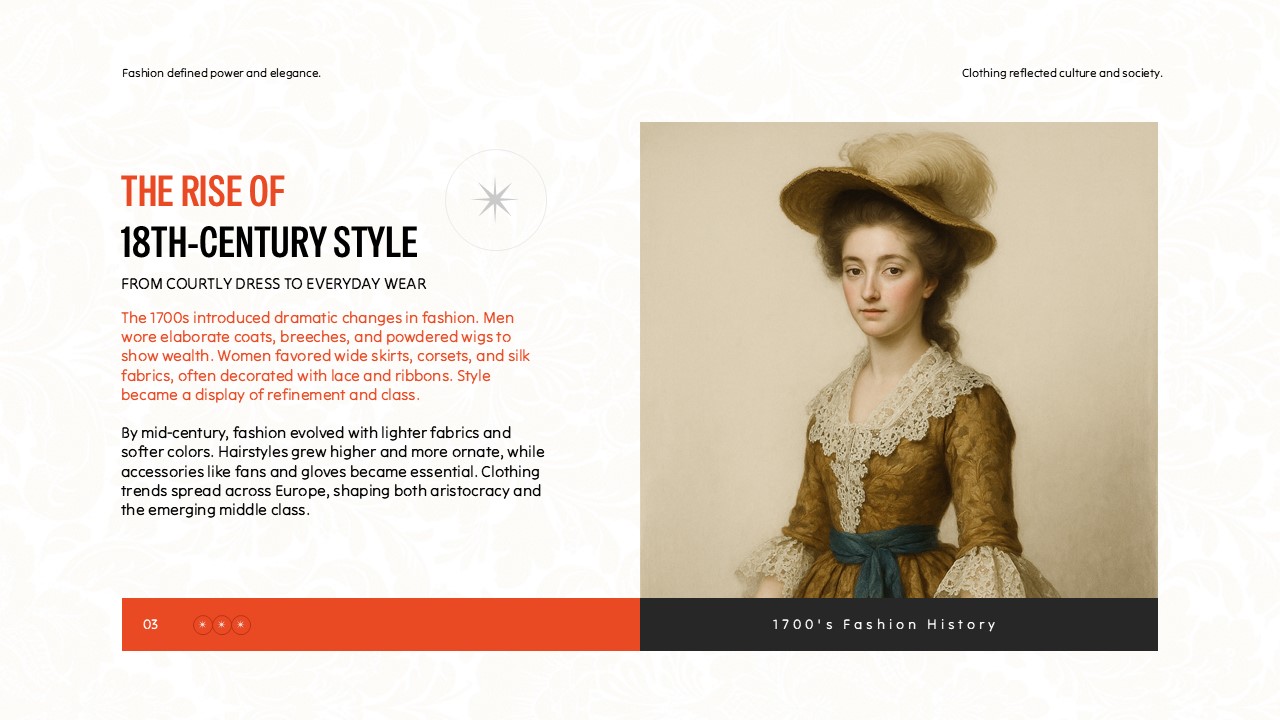
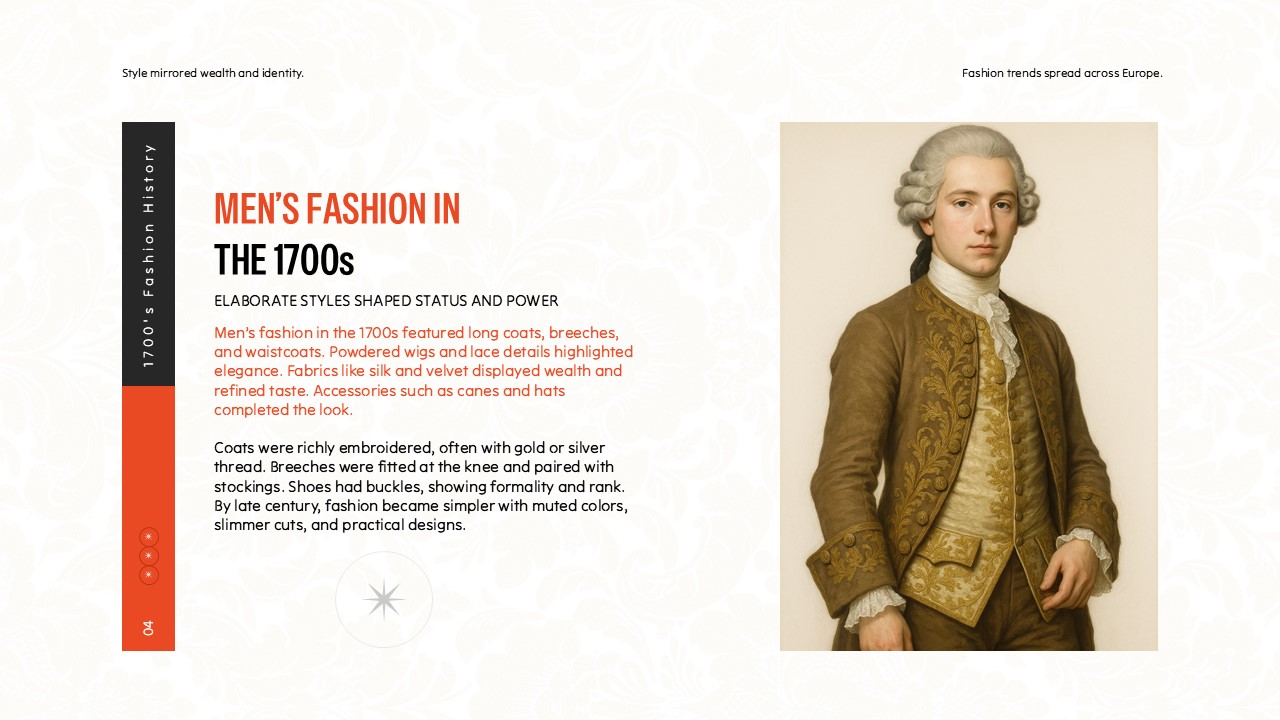
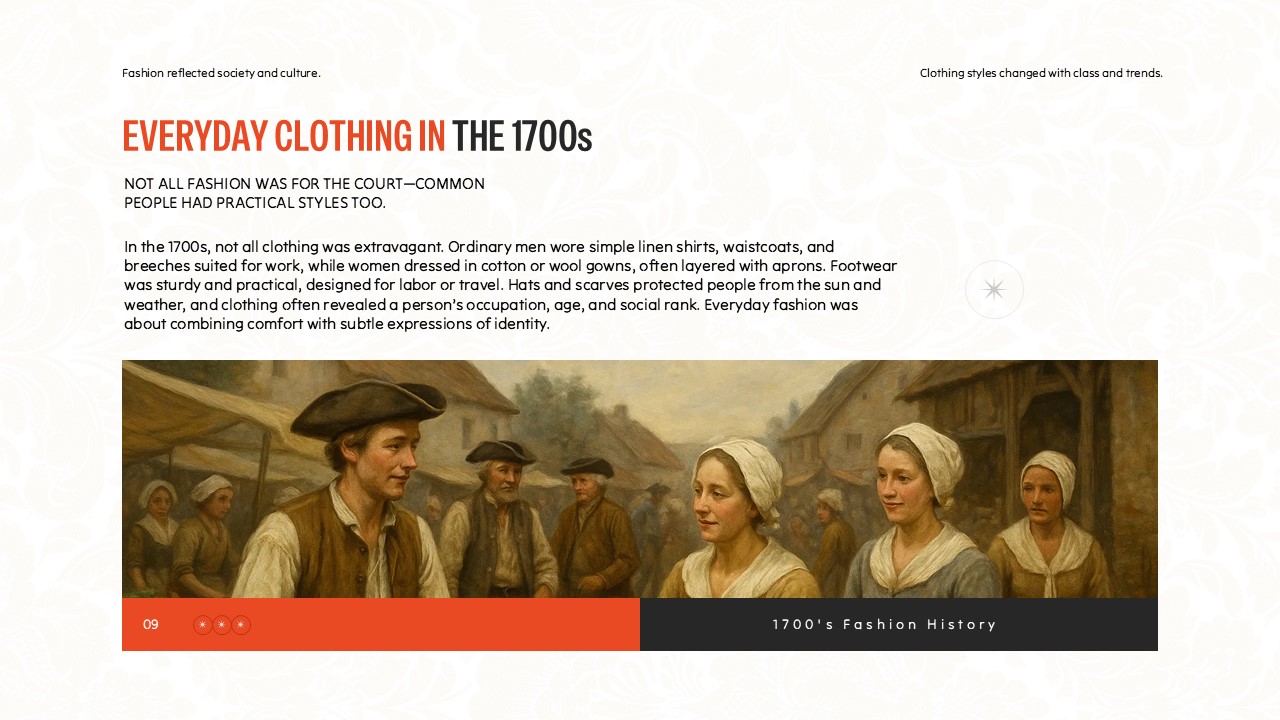
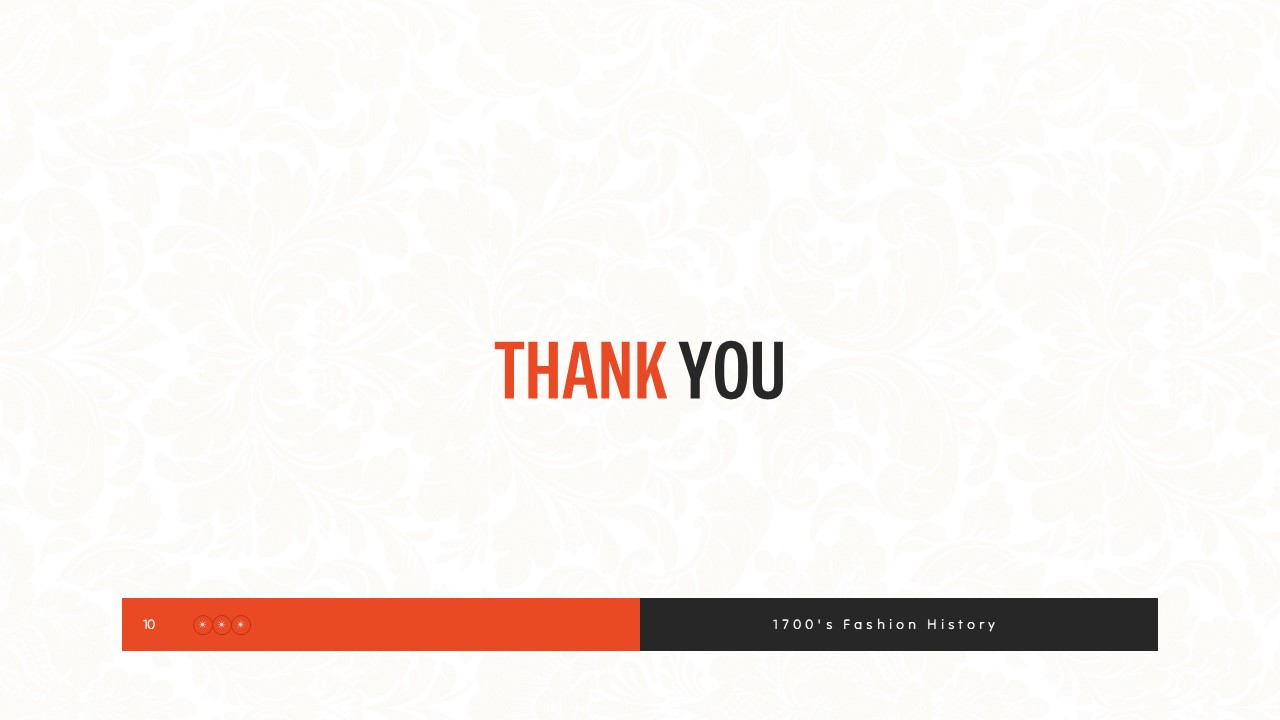
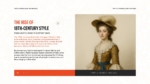
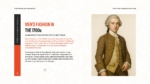
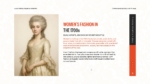
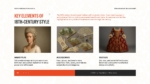
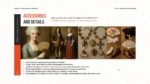
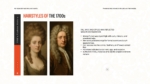
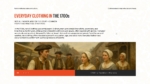
This 18th century fashion PowerPoint template contains all the essential sections for a complete visual journey: Title Slide, The Evolution of Fashion, The Rise of 18th Century Style, Men’s Fashion, Women’s Fashion, Key Elements of 18th Century Style, Accessories and Details, Hairstyles of the 18th Century, Everyday Clothing and Thank You Slide.
The slides are arranged thematically, guiding the audience from broad historical changes to detailed aspects of dress and personal style.
Who Can Use This Template
The historical fashion presentation template serves a wide range of users:
Educators and Students – For lectures, assignments, and classroom lessons in fashion, culture, and history.
Researchers and Writers – For organizing references while studying or publishing content on 18th century fashion.
Designers and Artists – For design inspiration, costume development, or mood boards.
Museums and Heritage Groups – For exhibits, cultural programs, or digital presentations.
Other Uses
This slide deck can also support:
Costume studies and reenactments
Creative workshops
Themed events or historical storytelling
Visual references for novels, films, or documentaries
Why Choose This Template
The 1700’s Fashion History Presentation Template offers a ready-to-use framework that combines historical depth with visual clarity. Covering men’s and women’s clothing, hairstyles, ornaments, and everyday wear, the deck makes the 18th century accessible for both learning and creative exploration.
See more

Aspect Ratio
16:9Item ID
SKT04374


Features of this template
Other User Cases of the Template:
Fashion history lectures, museum exhibit presentations, costume design research, art history lessons, theatrical wardrobe planning, academic seminars, vintage fashion showcases, cultural studies projects, documentary storyboarding, school curriculum development.
FAQs
You May Also Like These Presentation Templates


- Free
- Free
- Free
- Free
- Free
- Free
- Free
- Free
- Free
- Free
- Free
- Free
- Free
- Free

- Free
- Free
- Free
- Free
- Free
- Free

- Free
- Free
- Free
- Free
- Free
- Free
- Free
- Free
- Free
- Free
- Free
- Free
- Free

- Free
- Free
- Free
- Free
- Free
- Free
- Free
- Free
- Free
- Free
- Free
- Free
- Free
- Free
- Free
- Free
- Free
- Free
- Free
- Free
- Free
- Free
- Free