
What Is a Risk Assessment Matrix? An Overview
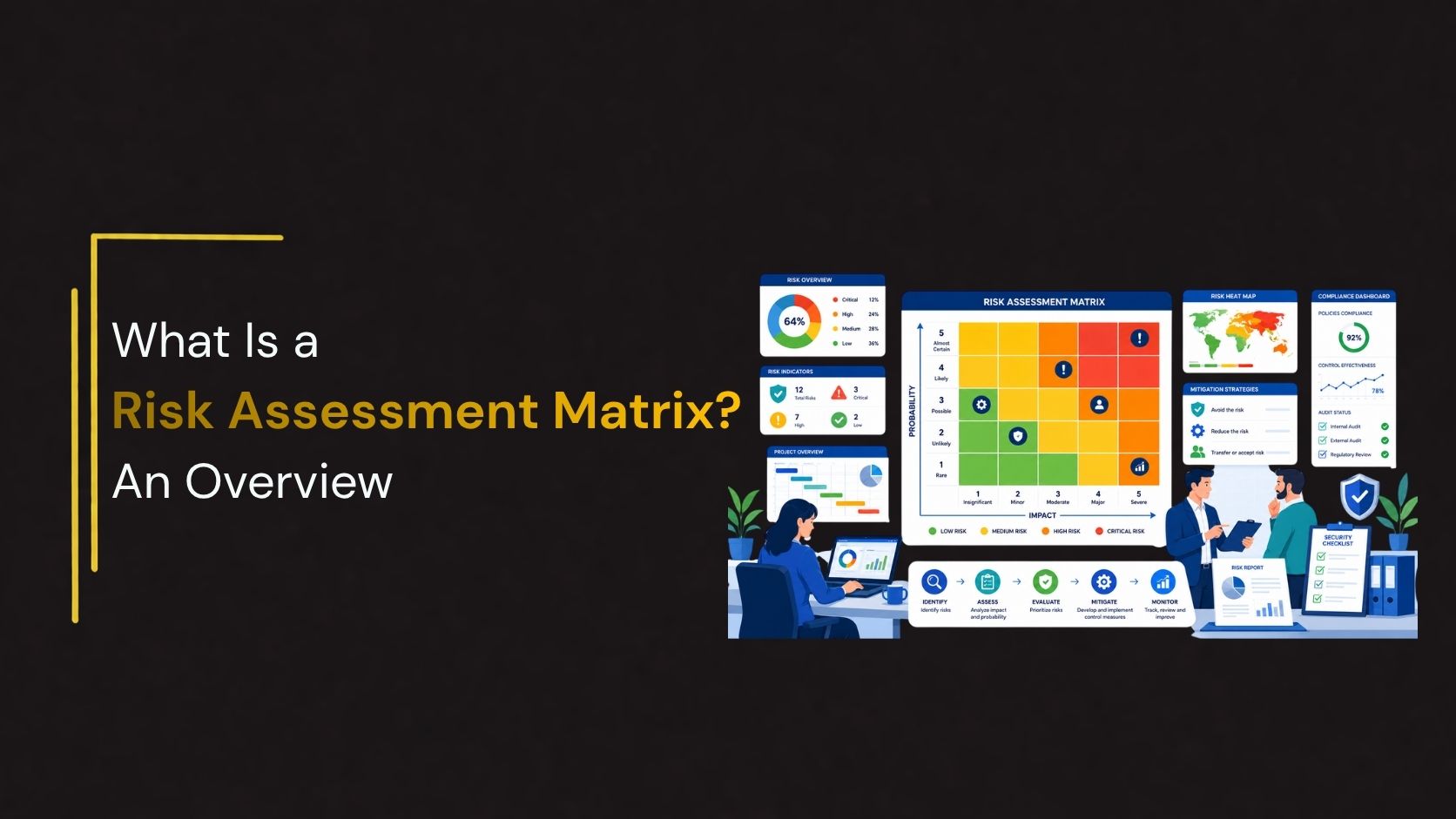
Risk is a part of every project, business operation, and strategic decision. Whether organizations are launching a new product, managing a construction project, implementing software, or planning business growth, potential risks can impact outcomes. Identifying and managing these risks effectively is essential for minimizing disruptions and improving decision-making.
One of the most widely used tools for risk management is the Risk Assessment Matrix. This simple yet powerful framework helps organizations evaluate risks based on their likelihood and potential impact, making it easier to prioritize actions and allocate resources effectively.
This guide explains what a risk assessment matrix is, how it works, its benefits, and best practices for using it.
What Is a Risk Assessment Matrix?
A Risk Assessment Matrix is a visual tool used to evaluate and prioritize risks by comparing two key factors:
- Likelihood of occurrence
- Severity of impact
The matrix helps organizations determine which risks require immediate attention and which risks can be monitored with minimal intervention.
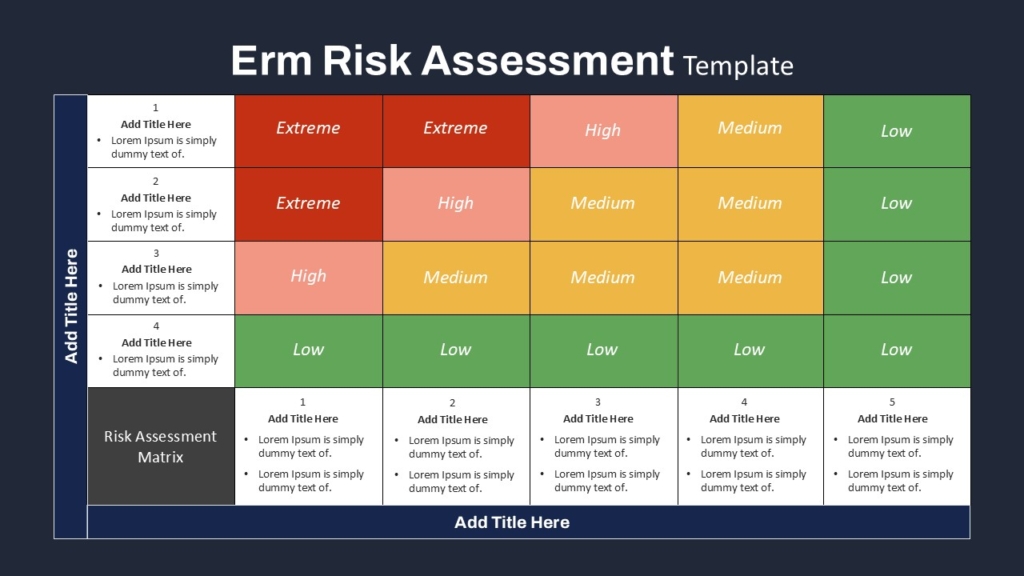
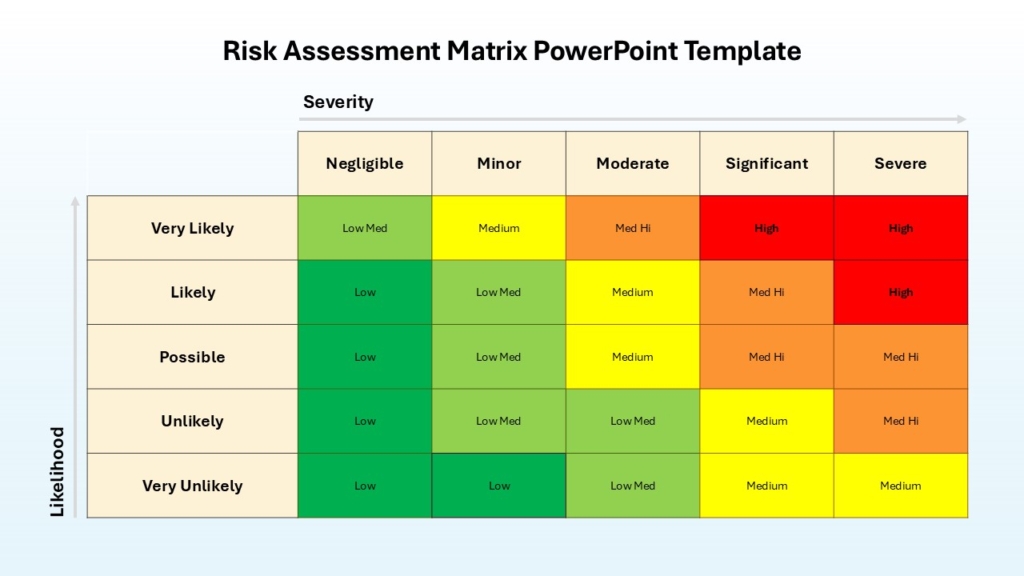
A typical risk assessment matrix is displayed as a grid where likelihood appears on one axis and impact appears on the other.
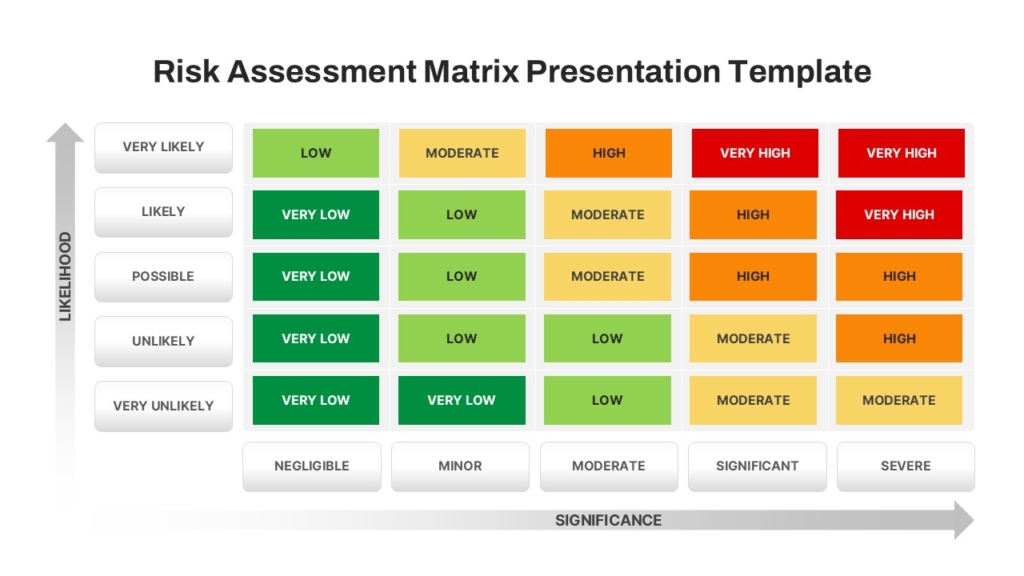
This structure allows teams to quickly identify high-priority risks.
Why Risk Assessment Matters
Every organization faces uncertainty. Without a structured approach to risk evaluation, decision-makers may overlook critical threats or waste resources on low-priority concerns.
A risk assessment matrix is a simple visual tool that helps organizations identify, evaluate, and prioritize risks based on their likelihood and potential impact. By highlighting high-priority threats, it supports better decision-making, improves risk management, and enables teams to focus resources on the areas that need the most attention.
Key Components of a Risk Assessment Matrix
A risk matrix typically consists of three main components.
- Likelihood : Likelihood measures the probability that a risk event will occur.
- Impact : Impact measures the severity of consequences if the risk occurs.
- Risk Rating : The intersection of likelihood and impact determines the overall risk rating.
Common risk categories include:
- Low Risk
- Moderate Risk
- High Risk
- Critical Risk
This rating helps organizations determine the urgency of response actions.
How a Risk Assessment Matrix Works
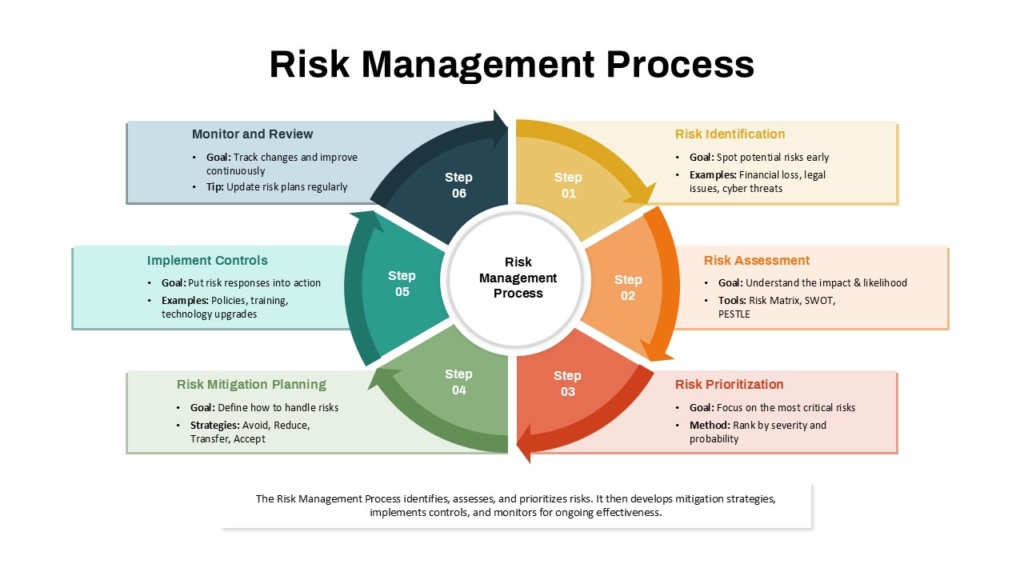
The process is straightforward:
Step 1: Identify Risks
List potential threats that may affect objectives.
Examples:
- Cybersecurity attacks
- Equipment failure
- Budget overruns
- Supply chain disruptions
- Regulatory changes
Step 2: Assess Likelihood
Estimate the probability of each risk occurring.
Step 3: Assess Impact
Evaluate potential consequences.
Step 4: Plot Risks on the Matrix
Place each risk into the appropriate matrix category.
Step 5: Prioritize Action
Focus resources on high-risk and critical-risk areas first.
Example Risk Assessment Matrix
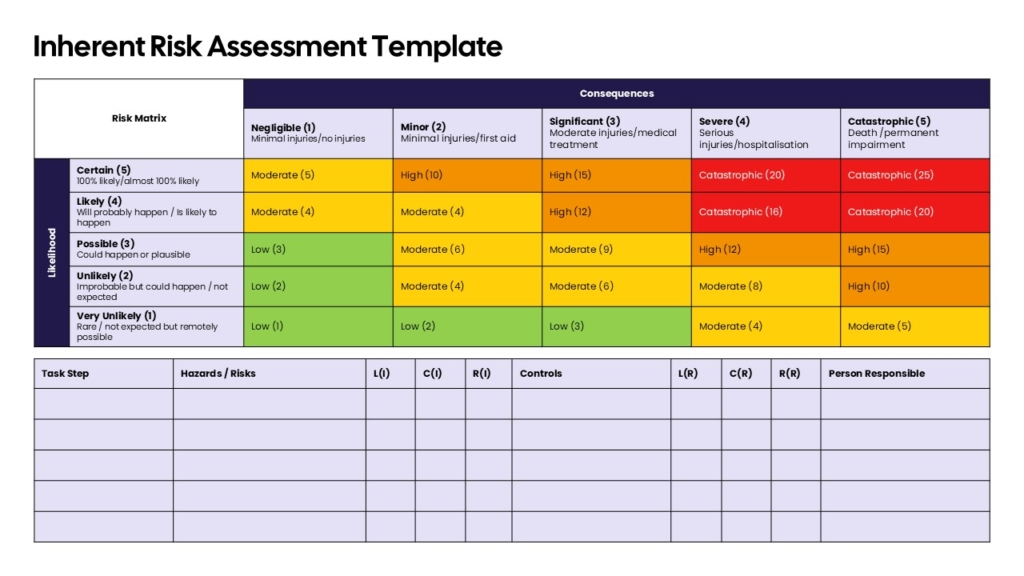
This matrix helps project managers focus on the most significant threats.
Common Uses of Risk Assessment Matrices
Risk matrices are widely used across industries.
- Project Management
Project managers use risk matrices to identify schedule, budget, and resource-related risks.
Examples: Timeline delays, Cost overruns, Resource shortages
- Business Operations
Organizations use risk assessment matrices to manage operational risks.
Examples:
- Medical errors
- Equipment malfunctions
- Infection control risks
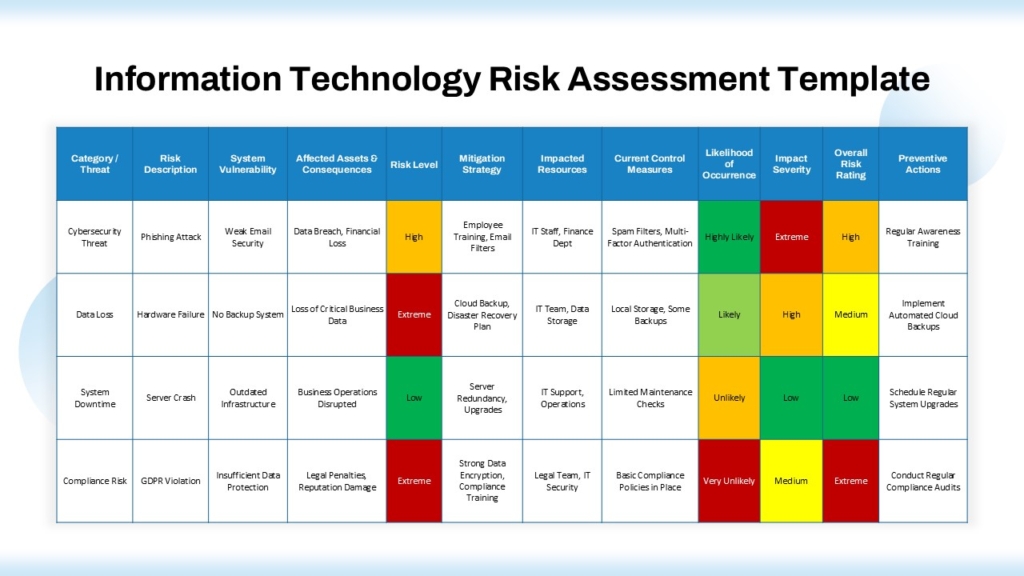
- Information Technology
IT teams use risk matrices to assess cybersecurity and infrastructure threats.
Examples:
- Data breaches
- Server downtime
- Software vulnerabilities
- Workplace Safety
Safety managers evaluate hazards that could affect employees.
Examples:
- Equipment accidents
- Workplace injuries
- Environmental hazards
Common Mistakes to Avoid
- Underestimating Risks : Ignoring potential threats can create major problems later.
- Overcomplicating the Matrix : Too many categories can make the matrix difficult to use.
- Failing to Update Assessments : Outdated risk evaluations may not reflect current conditions.
- Ignoring Low Risks Completely : Some low risks can increase over time and require monitoring.
- Lack of Follow-Up : Identifying risks without taking action reduces the value of the process.
Final Thoughts
A risk assessment matrix is one of the most practical tools for identifying, evaluating, and prioritizing risks. By analyzing likelihood and impact, organizations can focus on the threats that pose the greatest risk to their objectives and make more informed decisions.
Whether used in project management, business operations, healthcare, IT, or workplace safety, a well-designed risk assessment matrix improves visibility, supports proactive planning, and strengthens risk management processes.
If you’re looking to present risk evaluations clearly and professionally, explore SlideKit Risk Assessment Matrix Templates for PowerPoint and Google Slides. SlideKit provides ready-to-use layouts that help teams visualize risks, communicate priorities, and create impactful risk management presentations with ease.