
Value Stream Mapping Explained
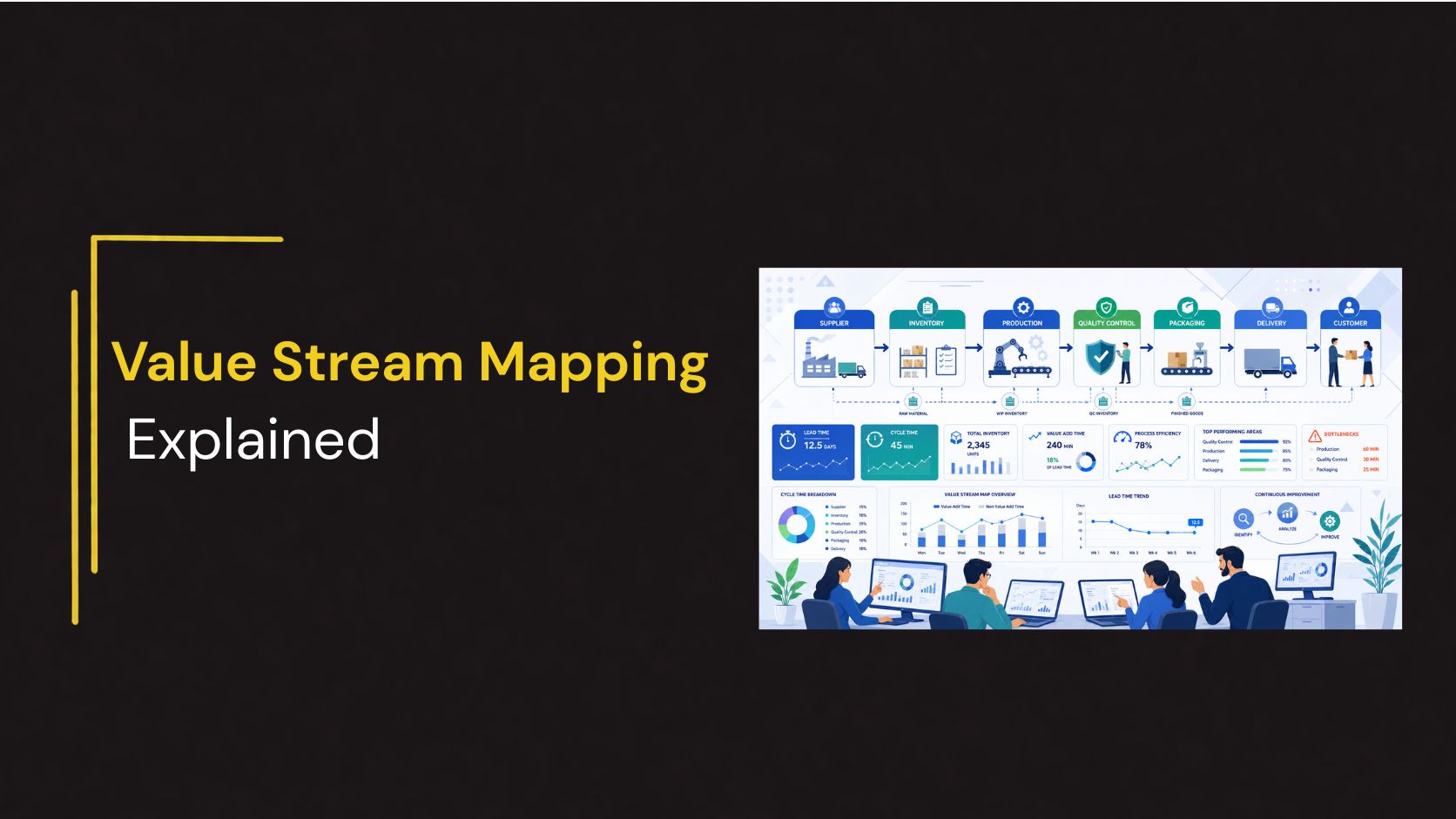
In today’s competitive business environment, organizations are constantly looking for ways to improve efficiency, eliminate waste, and deliver greater value to customers. One of the most effective tools for achieving these goals is Value Stream Mapping (VSM). Widely used in Lean manufacturing, project management, healthcare, software development, and service industries, Value Stream Mapping provides a visual representation of how work flows through a process.
By mapping every step involved in delivering a product or service, businesses can identify bottlenecks, reduce inefficiencies, and optimize workflows. Whether you’re improving manufacturing operations or streamlining business processes, understanding Value Stream Mapping can help your organization increase productivity and customer satisfaction.
In this guide, we’ll explain what Value Stream Mapping is, its key components, benefits, and how to create an effective value stream map.
What Is Value Stream Mapping?
Value Stream Mapping (VSM) is a Lean management technique used to visualize every step involved in creating and delivering a product or service. It maps both the flow of materials and the flow of information from the initial customer request to the final delivery.
The primary objective of Value Stream Mapping is to distinguish between activities that add value for the customer and those that create waste. By identifying unnecessary steps, organizations can improve efficiency and reduce costs.
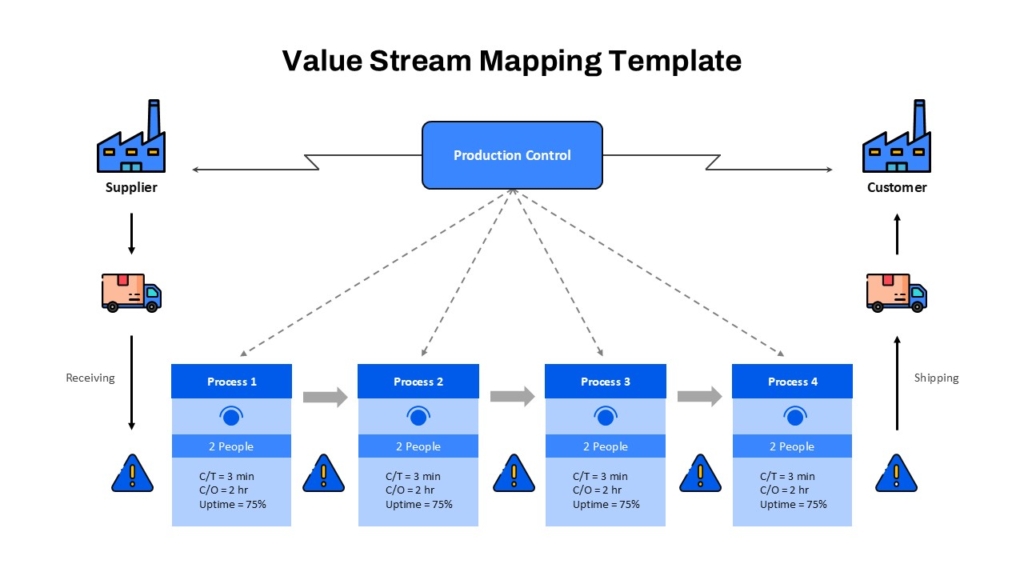
Key Components of a Value Stream Map
A Value Stream Map consists of several interconnected elements that represent both physical and information flows.
- Customer
The map begins with the customer, whose demand drives the entire process.
Typical information includes:
- Customer requirements
- Order frequency
- Delivery expectations
- Suppliers
Suppliers provide the materials, information, or resources needed for production or service delivery.
The map often identifies:
- Incoming materials
- Delivery schedules
- Supply frequency
- Process Steps
Each activity involved in creating value is represented as an individual process box.
Examples include:
- Receiving materials
- Manufacturing
- Quality inspection
- Packaging
- Shipping
- Information Flow
Information flow shows how communication moves between departments, suppliers, customers, and production teams.
Examples include:
- Purchase orders
- Production schedules
- Customer requests
- Inventory updates
- Material Flow
Material flow illustrates how products or resources move throughout the production or service process.
This helps identify:
- Delays
- Inventory accumulation
- Transportation inefficiencies
Current State vs Future State Mapping
Most Value Stream Mapping projects include two maps.
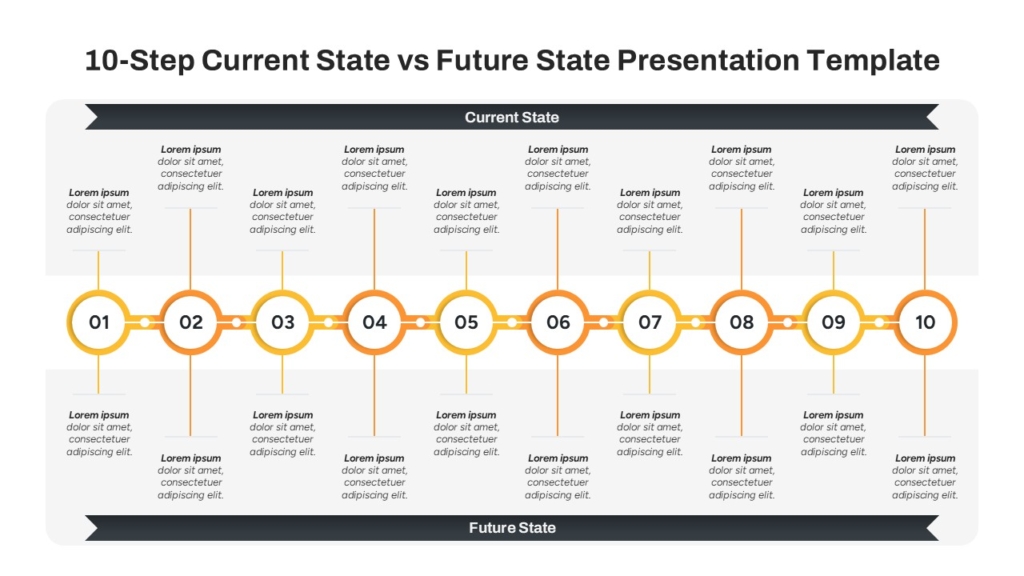
Current State Map
The current state map documents how the process operates today.
It identifies:
- Existing workflows
- Waste
- Delays
- Bottlenecks
Future State Map
The future state map illustrates an improved version of the process after waste has been removed and efficiencies have been implemented.
This map becomes the roadmap for process improvement initiatives.
The Eight Types of Waste in Lean
Value Stream Mapping is closely connected with Lean manufacturing and the elimination of waste.
The eight common forms of waste include:
- Overproduction
- Waiting
- Transportation
- Overprocessing
- Excess inventory
- Unnecessary motion
- Defects
- Underutilized talent
Identifying these waste categories helps organizations focus improvement efforts where they have the greatest impact.
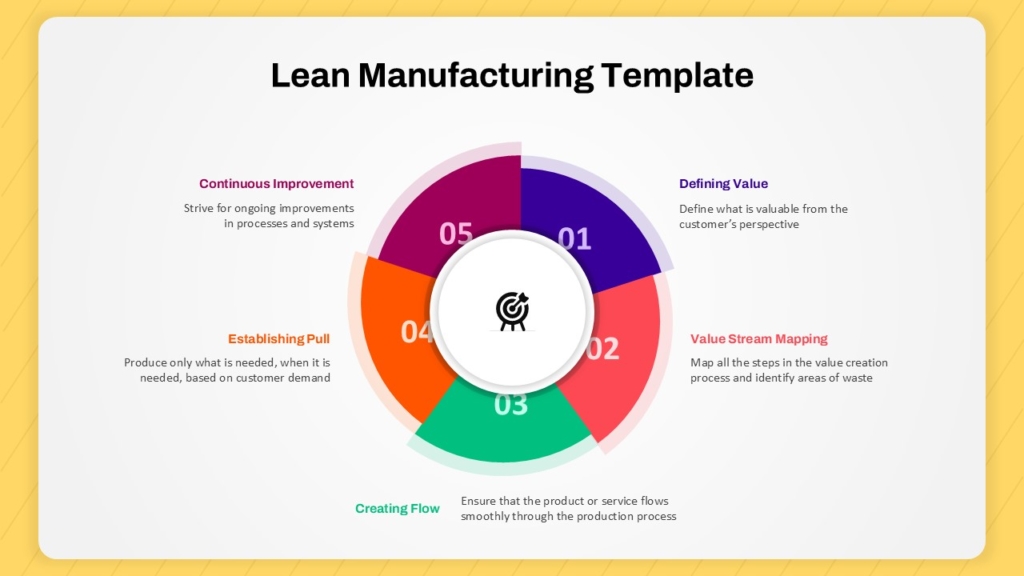
Common Applications of Value Stream Mapping
- Manufacturing : Production optimization, Inventory reduction, Supply chain improvement.
- Healthcare : Patient flow optimization, Appointment scheduling, Clinical process improvement.
- Software Development : Agile workflow analysis, Release management, DevOps optimization
- Project Management : Workflow planning, Resource allocation, Process improvement
Conclusion
Value Stream Mapping is a powerful Lean management tool that helps organizations visualize workflows, identify waste, and improve operational efficiency. By analyzing both material and information flows, businesses can uncover bottlenecks, reduce unnecessary activities, and create more value for customers. Whether you’re optimizing manufacturing processes, improving healthcare services, streamlining software development, or enhancing business operations, Value Stream Mapping provides a structured approach to continuous improvement.
When combined with accurate data and collaborative planning, a well-designed value stream map becomes an essential resource for making informed decisions and achieving long-term operational excellence.
👉Explore SlideKit Value Stream Mapping Template and create professional process improvement presentations with confidence.