
How to Choose the Right Pitch Deck Template for Your Business
Pitch deck slides play a major role in how a business idea is understood. Even strong ideas can lose attention when slides feel confusing, crowded, or poorly structured. Investors and decision-makers often review many presentations in a short time, which means clarity matters as much as content.
A pitch deck is not just a set of slides. It is a visual story that explains what your business does, why it matters, and what makes it worth attention. The template you choose directly affects how clearly that story is told. The right structure helps your audience follow the flow, while the wrong layout can distract from the message.
This guide explains how to choose the right pitch deck template based on your business goal, audience, and presentation purpose. It also highlights common mistakes and shows how the right template can help avoid them.
Why Pitch Deck Slides Fail Even When the Idea Is Strong
Many pitch deck presentations fail even when the business idea is good. This often happens when the slides are unclear or poorly organized. If the layout does not support the message, it becomes difficult for the audience to understand the idea.
Common reasons include:
- Too much text on one slide
- No clear flow from problem to solution
- Inconsistent fonts, colors, and layouts
- Important information buried under visuals
- Slides designed without the audience in mind
When slides lack structure, viewers struggle to understand the story. A well-chosen pitch deck template helps guide the order of content and keeps the presentation focused.
Common Design and Structure Mistakes in Pitch Decks
Before choosing a template, it helps to understand what often goes wrong.
Unclear slide order
A pitch deck should follow a logical path, such as problem → solution → market → business model → traction → ask. Random slide order creates confusion.
Overdesigned visuals
Heavy graphics can distract from key points. Professional pitch deck design focuses on readability, not decoration.
Weak product explanation
If the product or service is not clearly explained, even interested investors may lose confidence.
Lack of visual hierarchy
When everything looks equally important, nothing stands out. Good layouts guide attention naturally.
Choosing the right pitch deck template helps reduce these problems from the start.
How Visual Hierarchy and Layout Improve Clarity
Visual hierarchy means arranging content so viewers know where to look first. In pitch deck slides, this is achieved through layout, spacing, and font size.
Good templates:
- Highlight key messages clearly
- Separate sections using consistent spacing
- Use headings and visuals to guide reading
- Balance text and graphics
A strong layout helps the audience understand your business without extra explanation.
Match the Pitch Deck Template to Your Business Goal
Different business situations require different types of pitch decks. Choosing a template that matches your goal makes your presentation more effective.
Investor and Startup Pitches
A startup pitch deck usually focuses on vision, market opportunity, traction, and funding needs. These presentations benefit from clean layouts that keep attention on numbers and growth potential.
A Modern Startup Pitch Deck Template works well for early-stage and growth-stage companies:
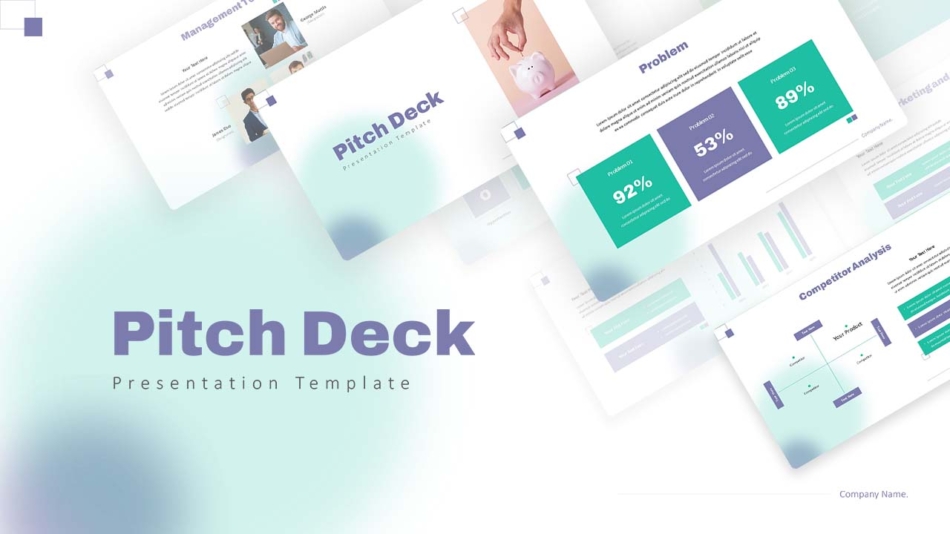
This type of template supports investor meetings and demo days where clarity is essential.
Business Plans and Strategic Presentations
When explaining a full business plan, the deck needs more structure and explanation. Slides should clearly present strategy, revenue streams, and execution plans.
A Business Plan Deck Template is suitable for:
- Long-term planning
- Partner discussions
- Internal leadership reviews
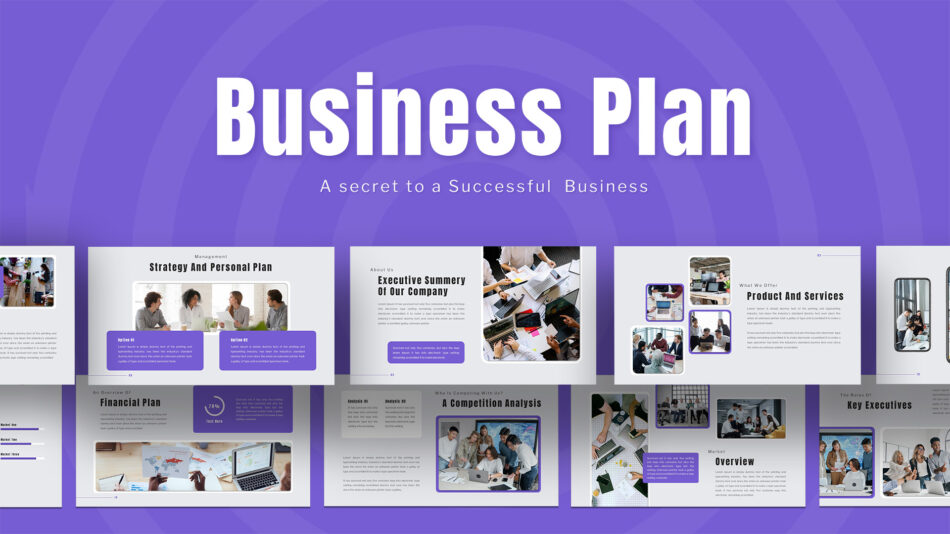
This format helps explain complex ideas step by step.
Product-Focused Presentations
If the goal is to explain a product, the slides should focus on features, use cases, and value. A product pitch deck presentation template allows space for screenshots, diagrams, and short explanations.

This works well for product launches, demos, and customer-facing presentations.
Professional and Corporate Presentations
Some businesses require a more formal tone, especially in corporate or client-facing environments.
A Professional Pitch Deck Template is useful for:
- Consulting firms
- Service-based businesses
- Enterprise presentations
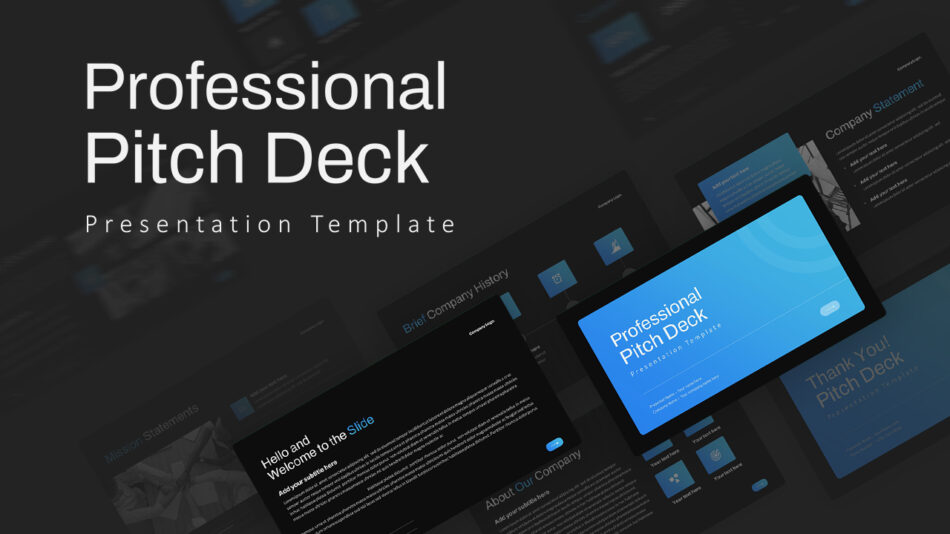
These templates focus on structure and clarity rather than bold visuals.
Industry-Specific Pitch Decks
Some industries require pitch deck layouts that match their subject and audience. Using industry-focused slides helps present information in a clear and familiar format.
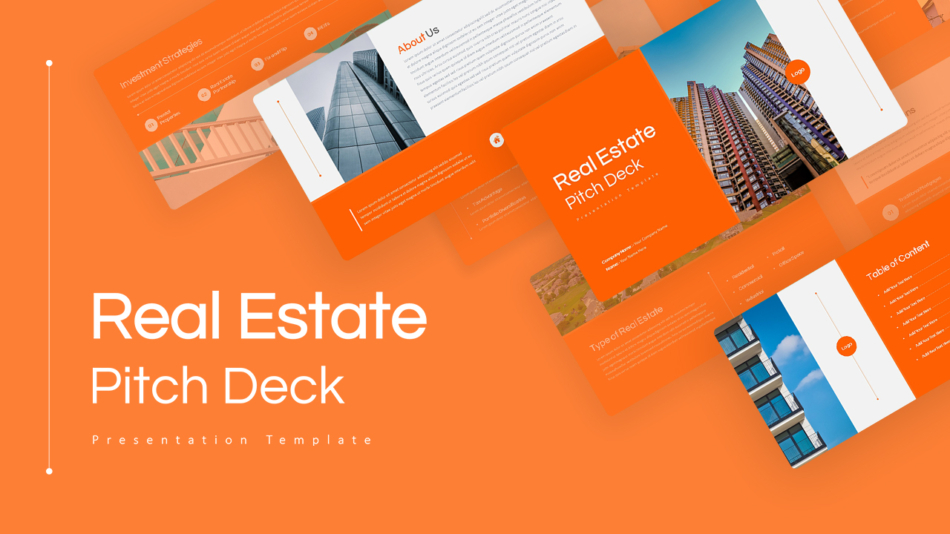
For example, a Real Estate Pitch Deck usually focuses on property details, financial figures, and future projections. A structured layout helps keep this information easy to review.
PowerPoint and Google Slides Templates: Choosing What Works for You
Both PowerPoint and Google Slides are commonly used for creating pitch deck presentations. Each is suitable for business use, and the choice often depends on how teams prefer to work rather than on design quality.
SlideKit templates are designed to work in both PowerPoint and Google Slides, so users can choose the format that fits their workflow. Some teams prefer working offline, while others need easy collaboration and quick edits. In either case, the slide structure, layout, and content flow remain consistent.
The key point is that both options support clear storytelling when the template is well designed. Instead of worrying about the tool, it is more important to focus on choosing a pitch deck template that matches your business goal, audience, and presentation purpose.
Best Practices for Creating Effective Pitch Deck Slides
Regardless of template choice, these best practices help improve results:
- Keep one idea per slide
- Use short, clear headings
- Support claims with simple visuals
- Maintain consistent fonts and colors
- End with a clear call to action
Using a pitch deck template PowerPoint or Google Slides format helps apply these principles more easily.
How the Right Pitch Deck Template Helps Avoid Errors
The right template:
- Guides slide order logically
- Balances visuals and text
- Maintains consistent design
- Saves time on layout decisions
Instead of focusing on formatting, teams can focus on refining the message and data.
Conclusion: Choosing Pitch Deck Slides That Support Your Story
Choosing the right pitch deck slides starts with understanding your audience, goal, and message. A well-structured pitch deck template helps present ideas clearly, avoids common design mistakes, and improves how your business story is received.
Whether you are building a startup pitch deck, a business pitch deck, or a product-focused presentation, the right layout makes a real difference. SlideKit offers a wide range of pitch deck templates for PowerPoint and Google Slides, helping businesses present ideas with clarity and confidence.
Frequently Asked Questions
Pitch deck slide templates are available on presentation template libraries that focus on business use cases. SlideKit provides structured templates that can be used in both PowerPoint and Google Slides, helping teams create presentations without starting from a blank slide.
Designing pitch deck slides for investors starts with clear structure and focused messaging. Using a structured pitch deck template from SlideKit helps organize key sections such as the problem, solution, market opportunity, and business model. Clear layouts and consistent visuals support better understanding during investor discussions.
Many teams reduce design costs by using ready-made pitch deck templates instead of custom design services. SlideKit offers affordable, customizable pitch deck templates that work in both PowerPoint and Google Slides. These templates allow teams to adjust content, structure, and visuals based on their presentation needs.