
Sales Funnel vs Marketing Funnel: What’s the Difference?
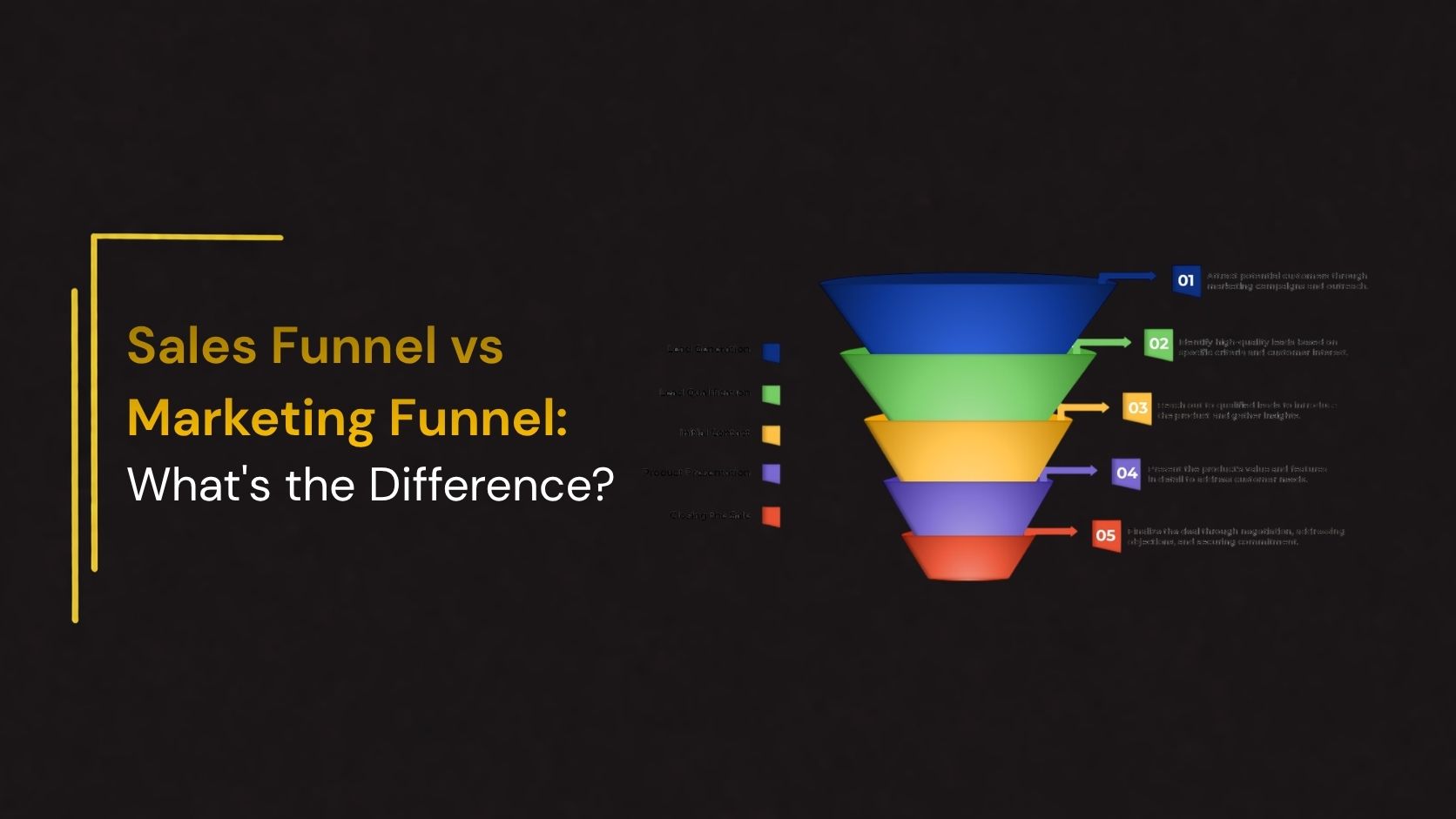
Businesses often use the terms sales funnel and marketing funnel interchangeably, but they serve different purposes. Both frameworks help organizations understand how prospects move from initial awareness toward becoming customers, yet they focus on different stages of the buyer journey.
Understanding the difference between a sales funnel and a marketing funnel can help marketing and sales teams coordinate their efforts, improve lead management, and increase conversions. In this guide, we’ll explore how each funnel works, their key differences, how they complement each other, and when businesses should use them.
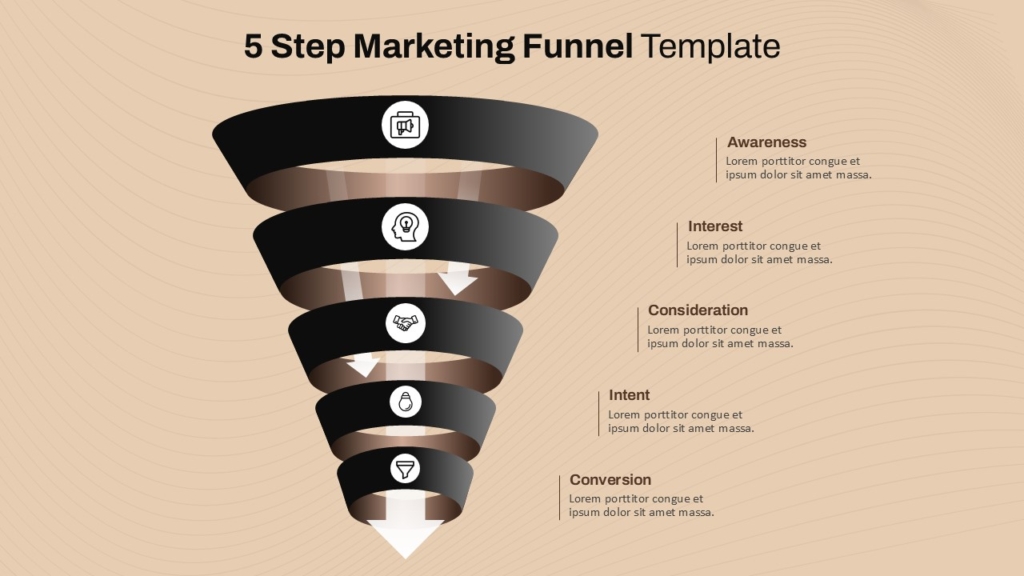
What Is a Marketing Funnel?
A marketing funnel represents the journey a potential customer takes from first discovering a brand to becoming a qualified lead and, in some models, a customer.
The marketing team typically focuses on attracting prospects, building awareness, educating audiences, and generating interest.
What Is a Sales Funnel?
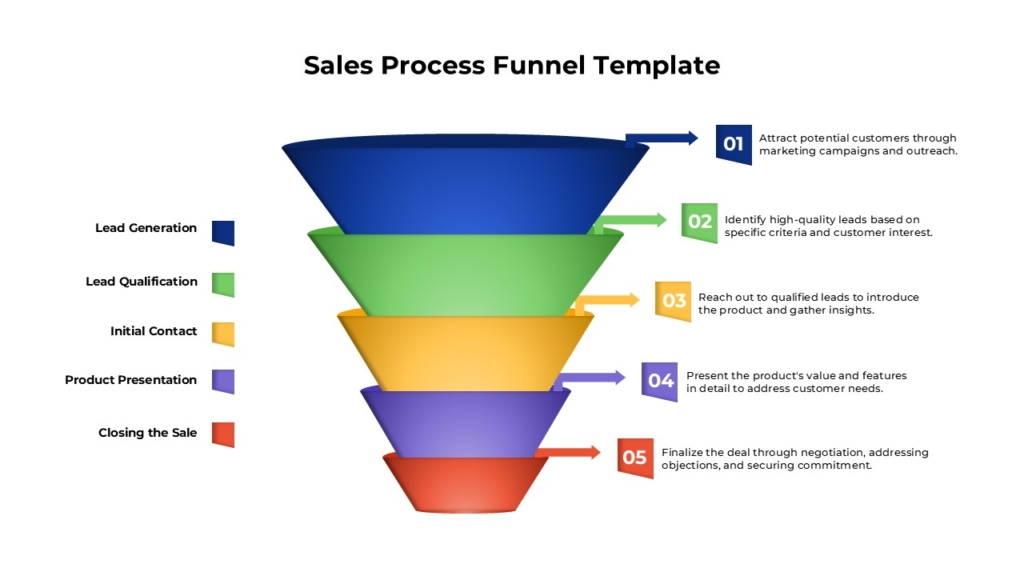
A sales funnel focuses more specifically on the process of converting prospects or qualified leads into paying customers.
Sales teams typically become more involved once a prospect demonstrates buying intent.
Marketing Funnel vs Sales Funnel Stages
The two funnels can be viewed as connected parts of one customer journey.
Marketing Funnel
Awareness → Interest → Consideration → Intent
Sales Funnel
Qualification → Opportunity → Proposal → Negotiation → Purchase
The exact stages vary by organization, but the general principle remains the same: marketing creates and nurtures demand, while sales converts qualified demand into revenue.
Why Both Funnels Matter
Businesses should not treat marketing and sales funnels as completely separate systems. Instead, they should work together.
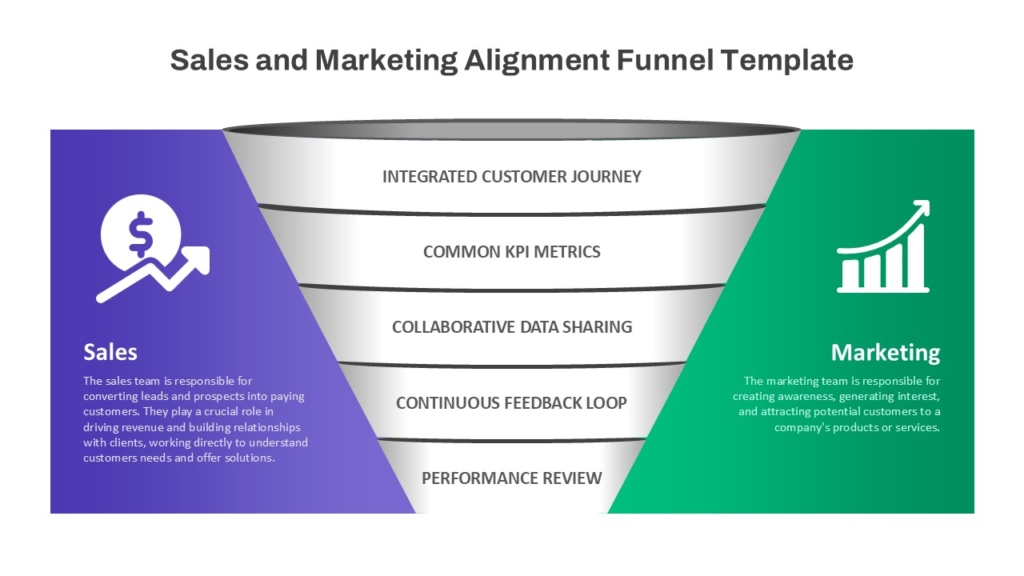
Marketing can help sales by:
- Generating qualified leads
- Educating prospects
- Building brand credibility
- Providing customer insights
Sales can help marketing by:
- Sharing customer objections
- Identifying high-quality leads
- Providing feedback on campaigns
- Highlighting common customer needs
When both teams share information, businesses can create a more efficient customer journey.
👉Explore SlideKit’s funnel presentation templates and turn your customer journey into a compelling visual story.
Conclusion
The marketing funnel and sales funnel are different but closely connected frameworks. Marketing focuses on attracting, educating, and nurturing potential customers, while sales concentrates on qualifying opportunities and converting them into revenue. Rather than choosing one over the other, businesses should connect both funnels to create a seamless customer journey.
When marketing and sales teams share definitions, data, goals, and feedback, they can identify bottlenecks, improve conversion rates, and create a more predictable path to revenue. Visualizing these processes with a clear funnel presentation can also make it easier for teams and stakeholders to understand performance and identify opportunities for improvement.
Create Professional Funnel Presentations with SlideKit
Want to present your sales and marketing funnel more effectively? SlideKit offers professionally designed Sales Funnel and Marketing Funnel templates for PowerPoint and Google Slides, featuring editable funnel diagrams, conversion stages, KPI layouts, charts, and business-ready visuals. Whether you’re presenting a marketing strategy, sales pipeline, customer journey, or executive performance report, SlideKit helps you communicate complex funnel data clearly and professionally.